WONDERLAND
LOOK ONE: MIGHTY LIKE A ROSE
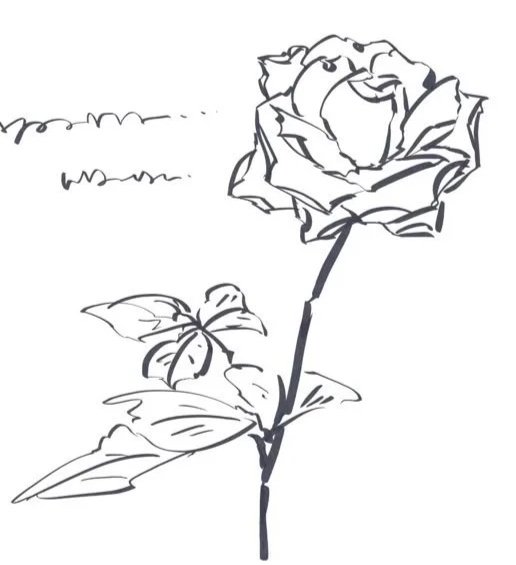
MIGHTY LIKE A ROSE
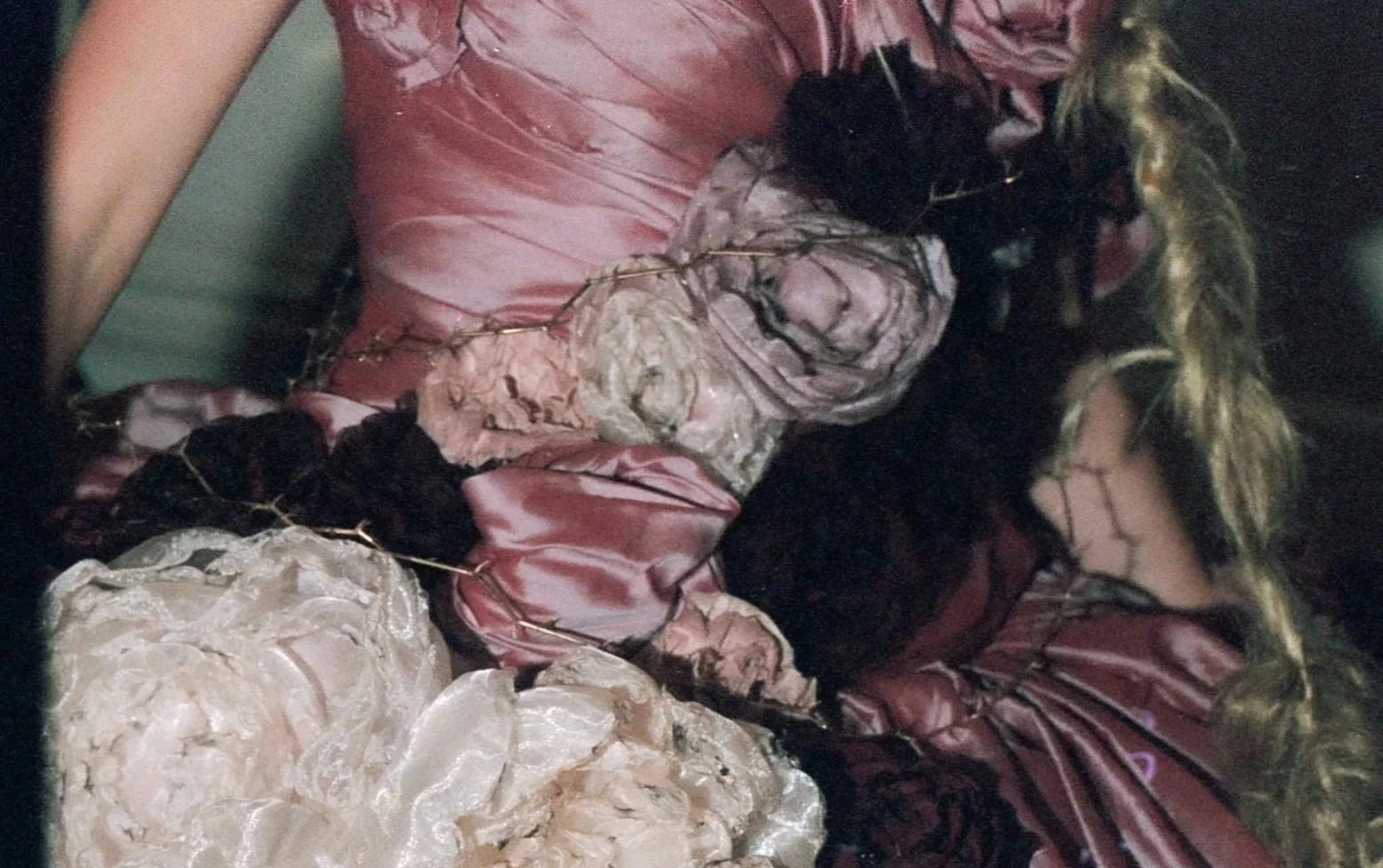
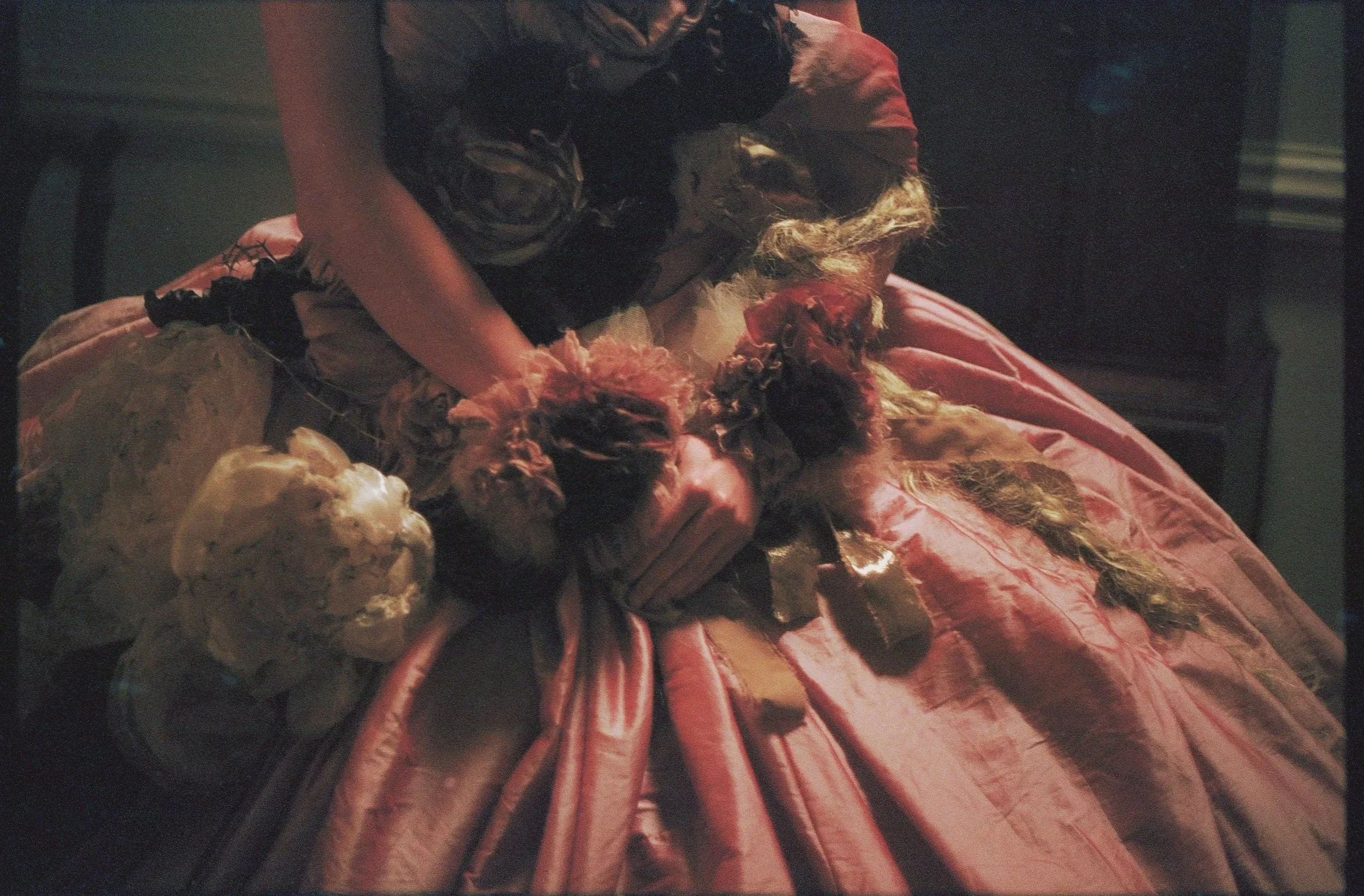
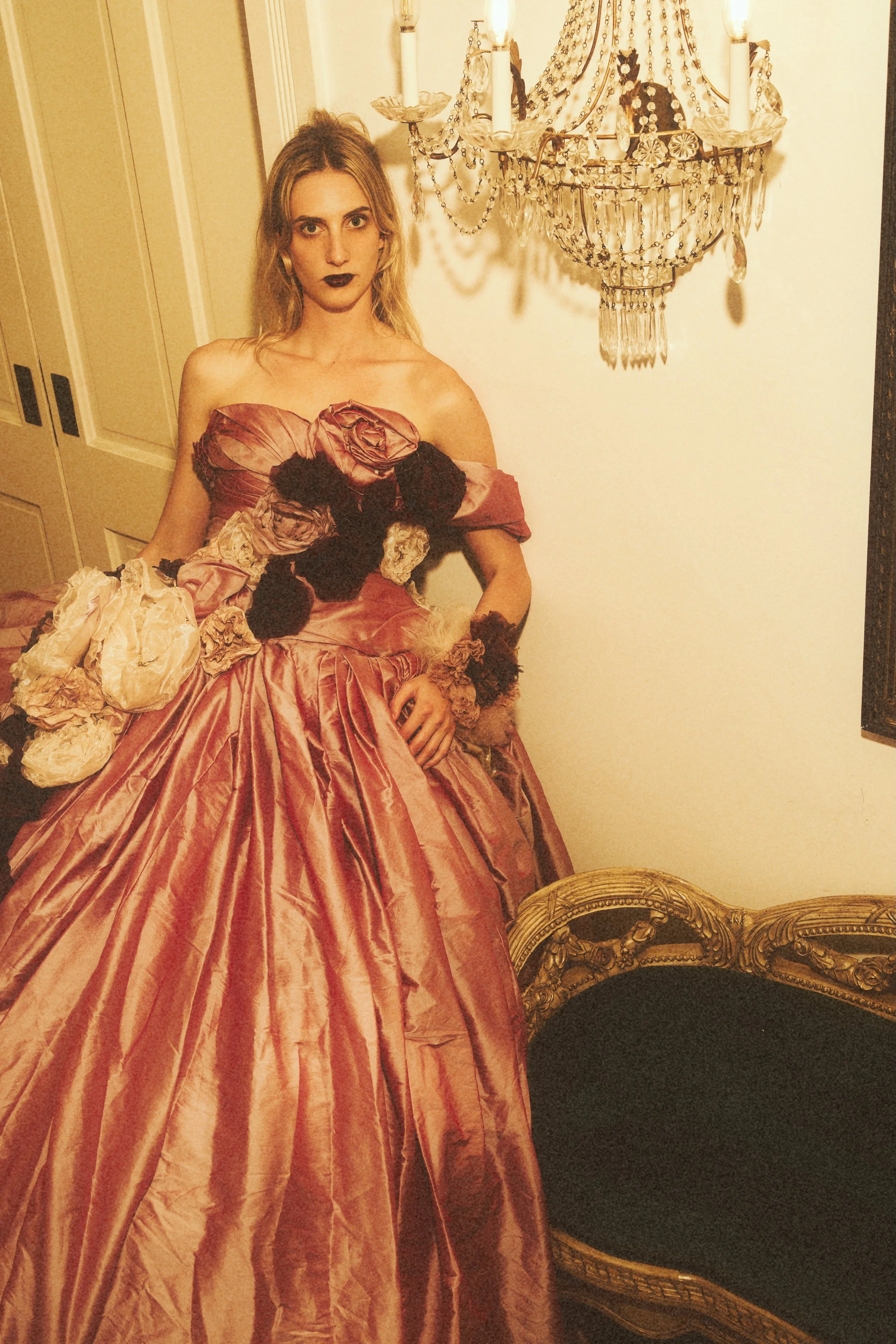
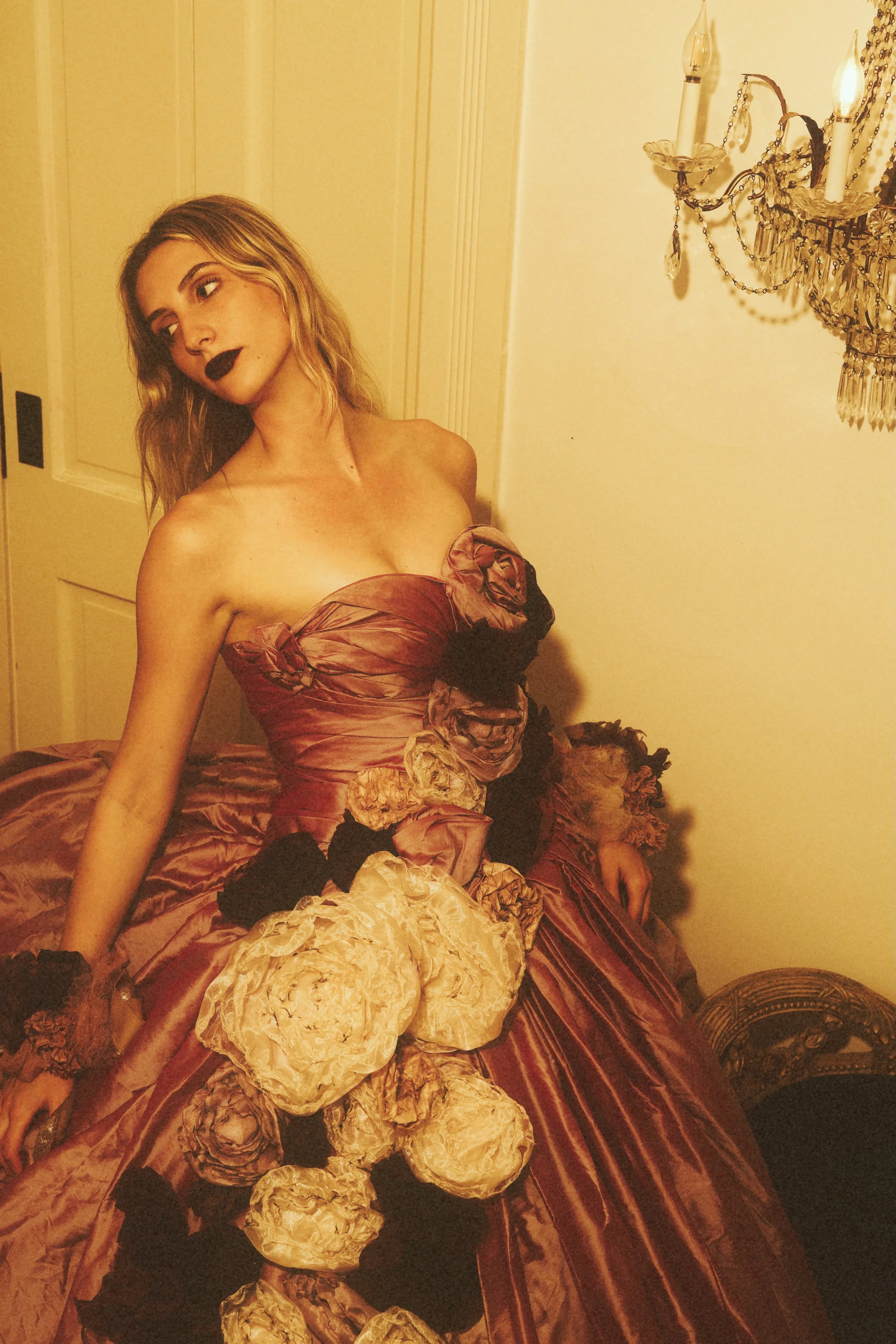
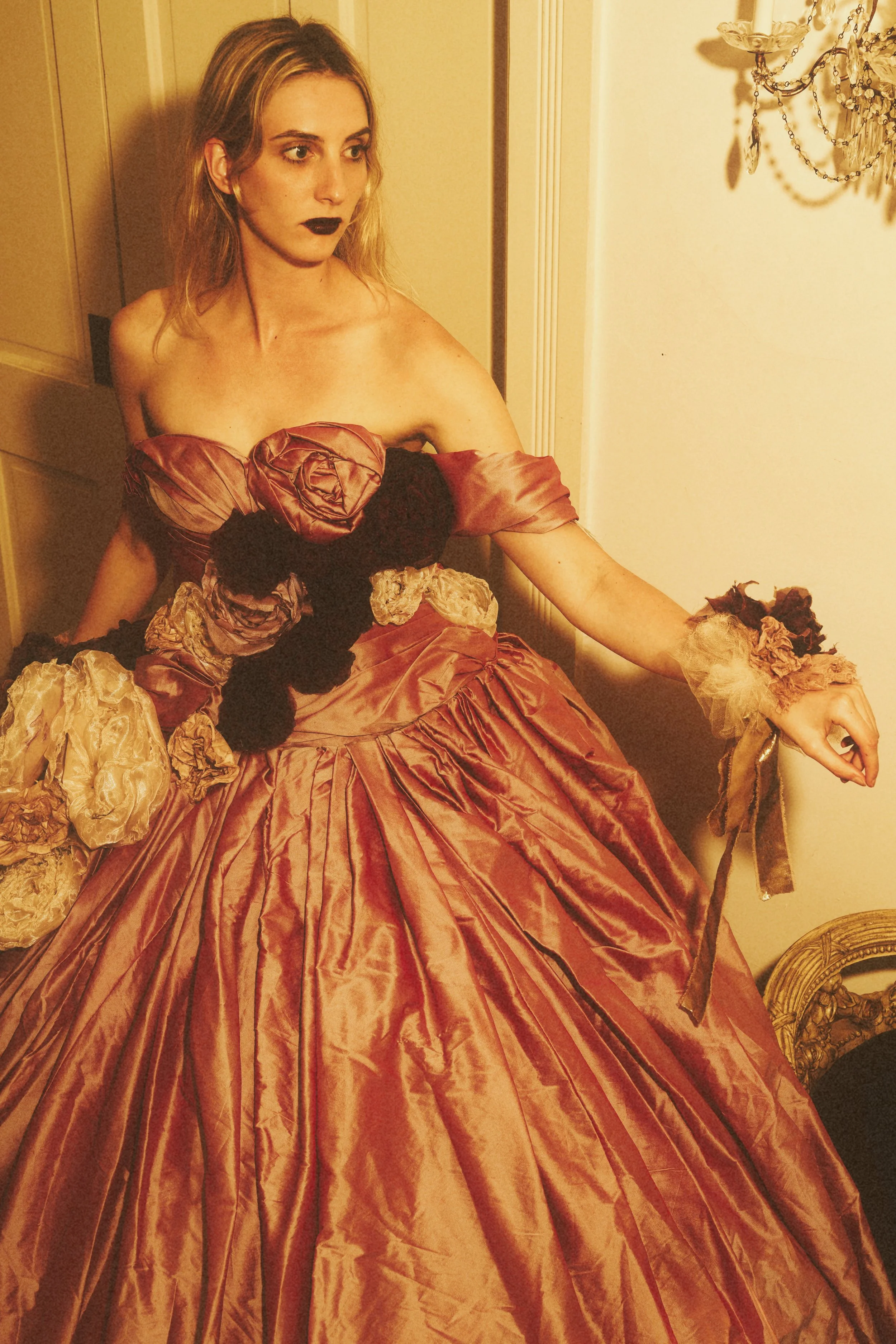
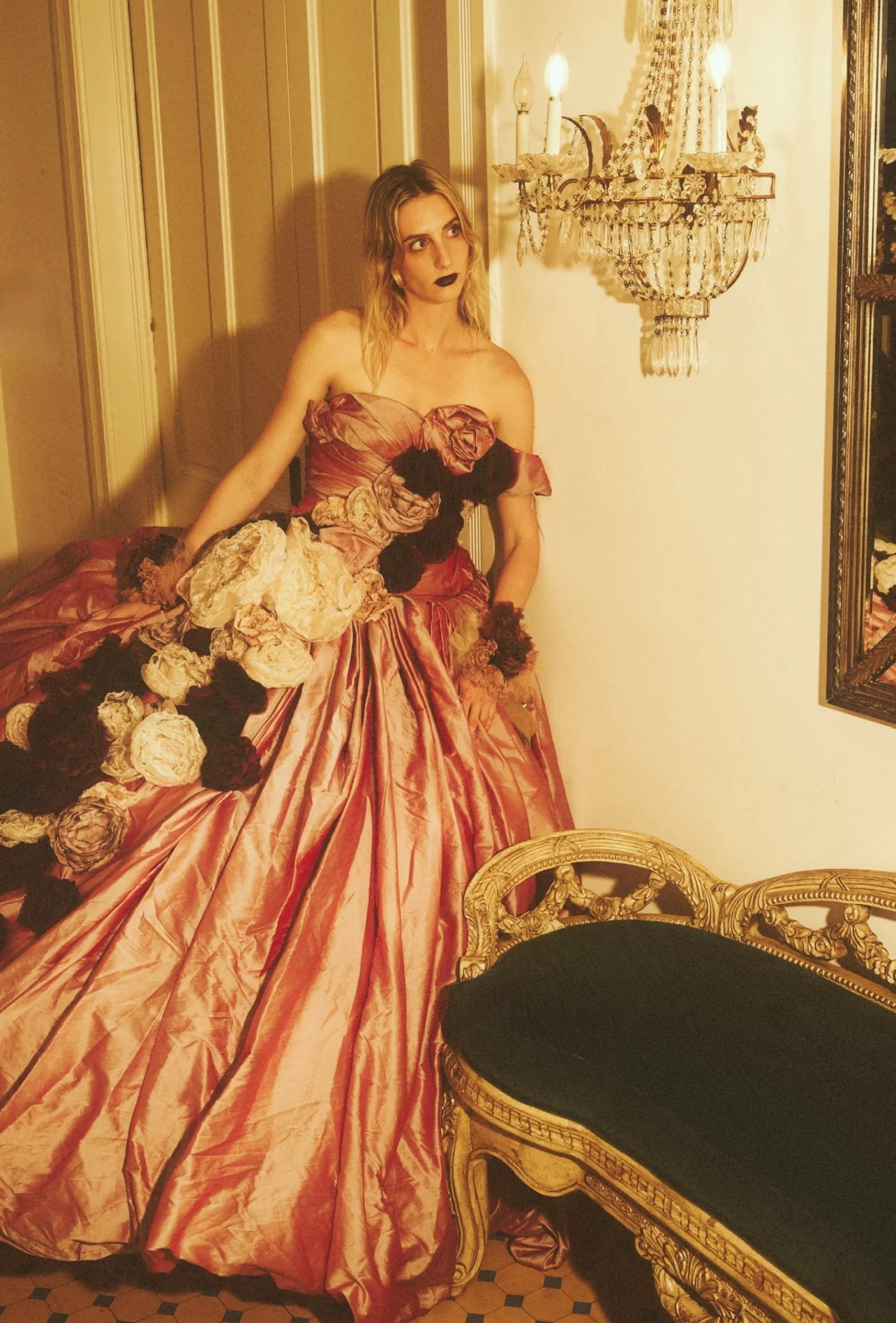
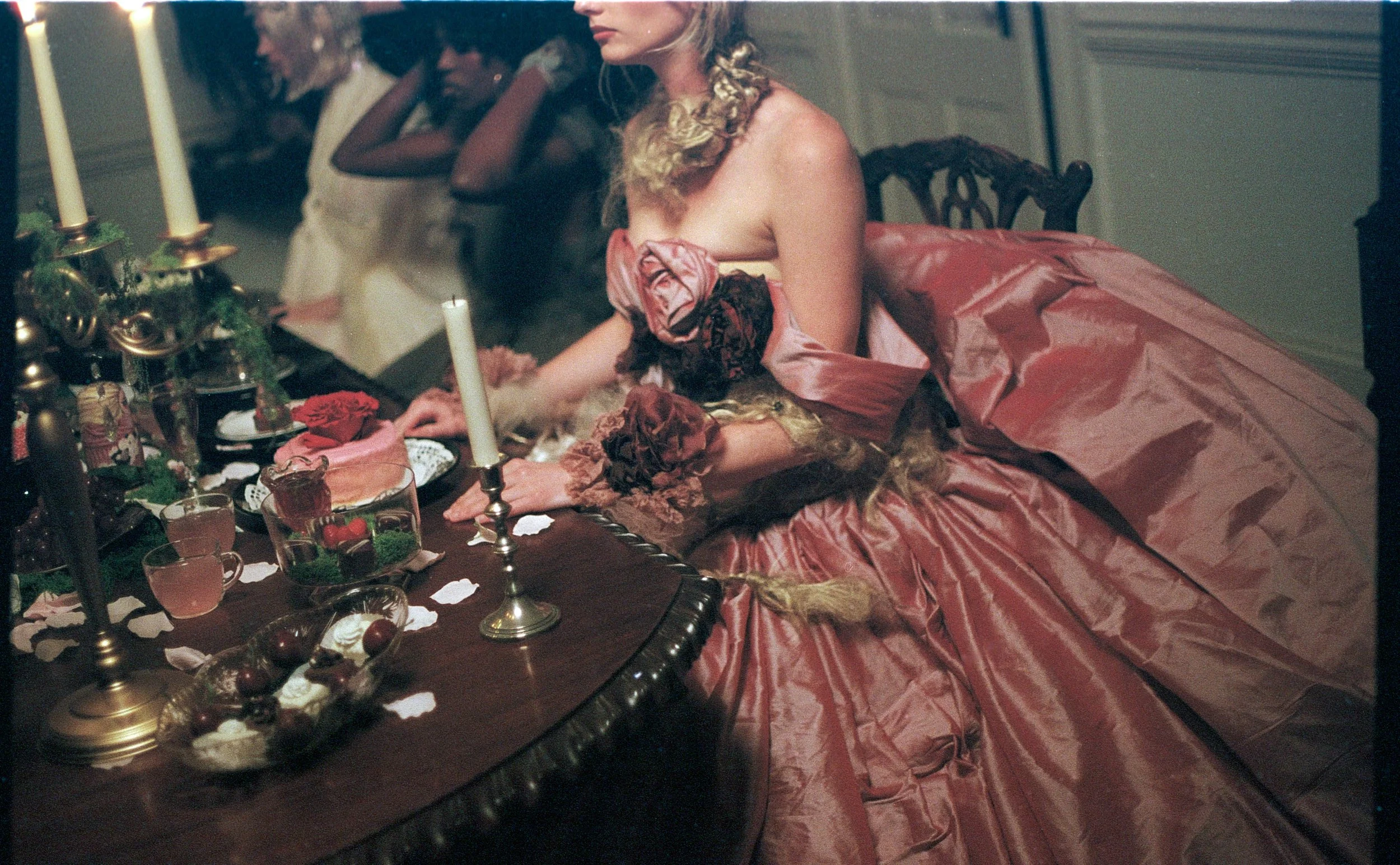
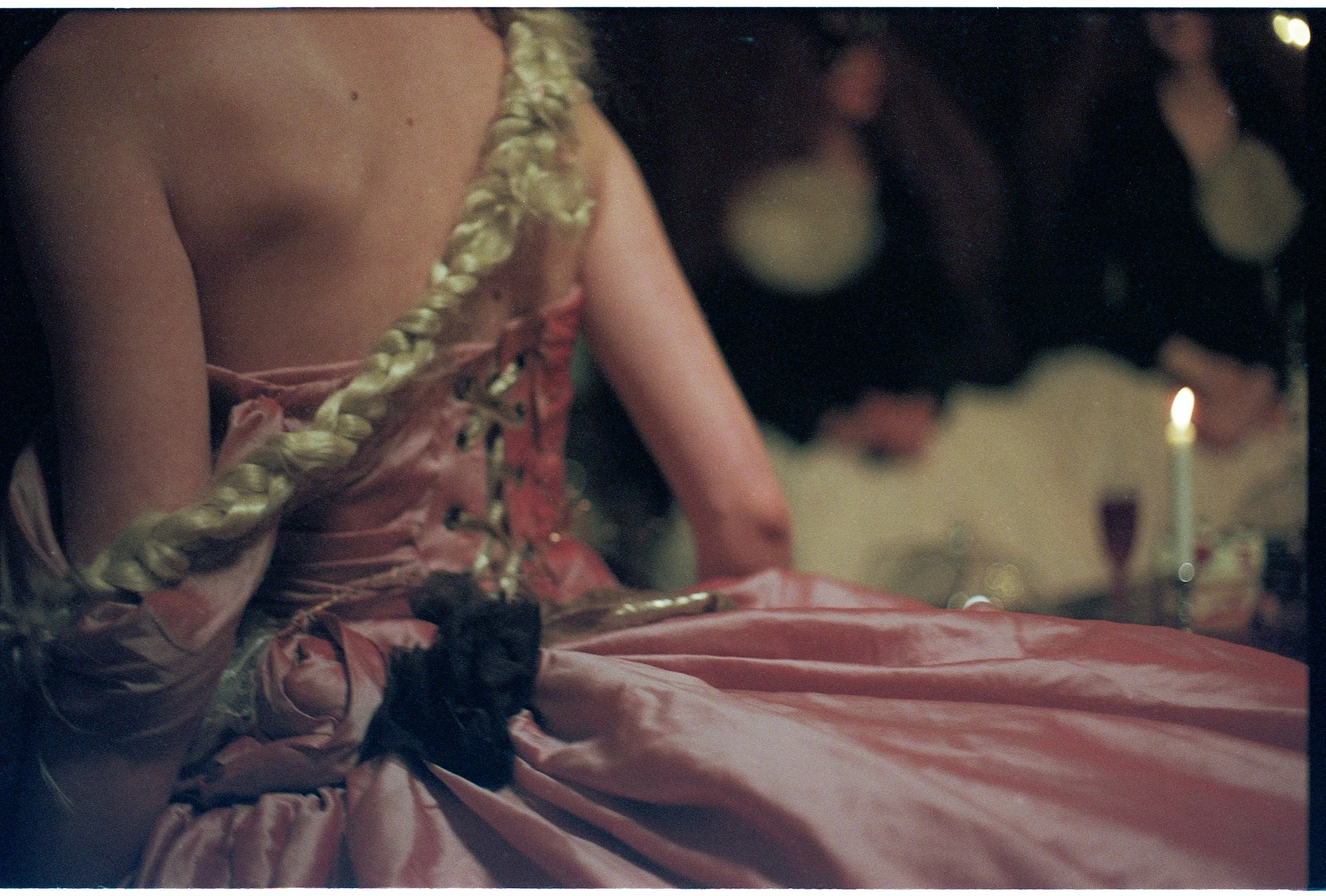
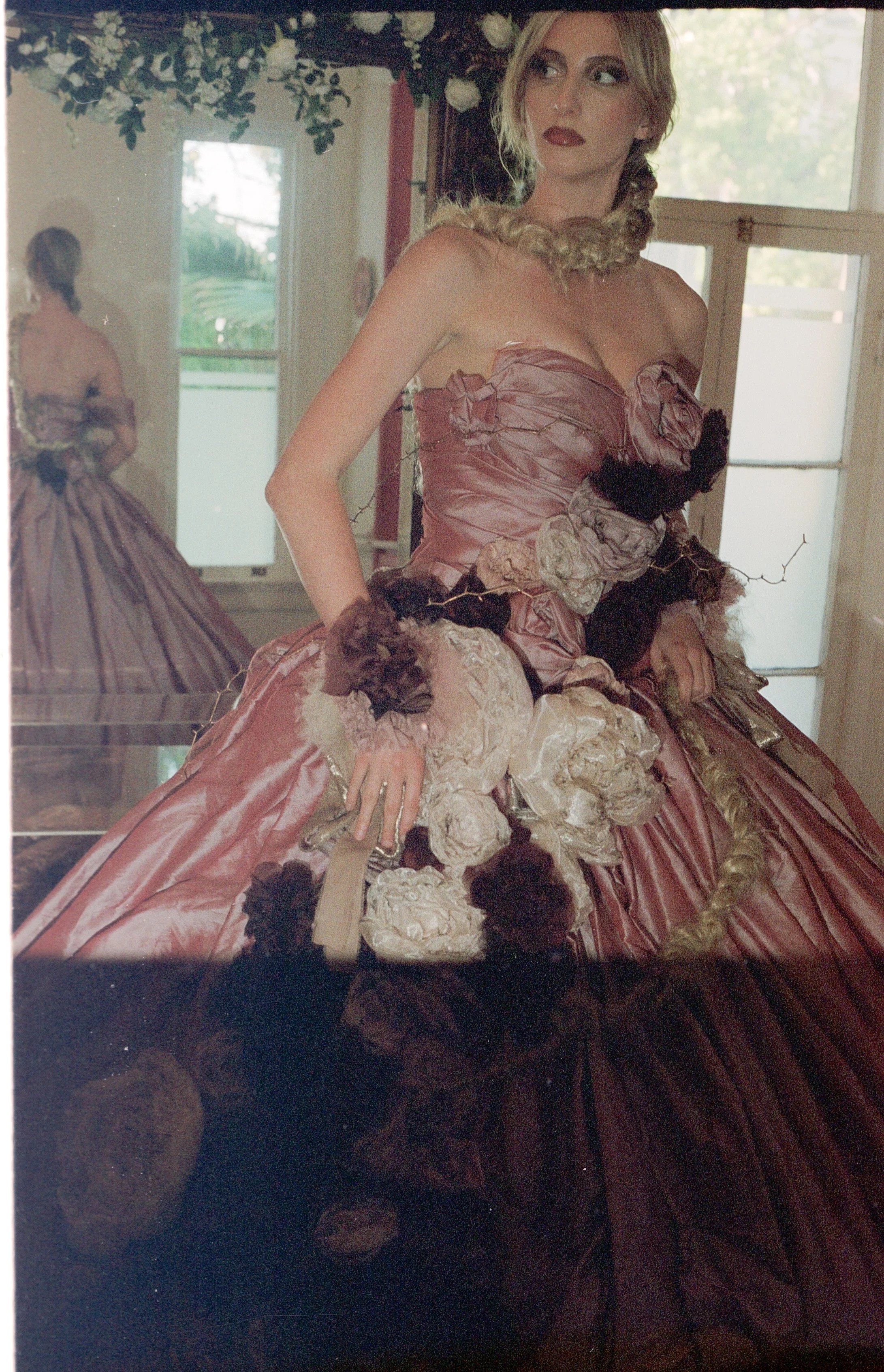
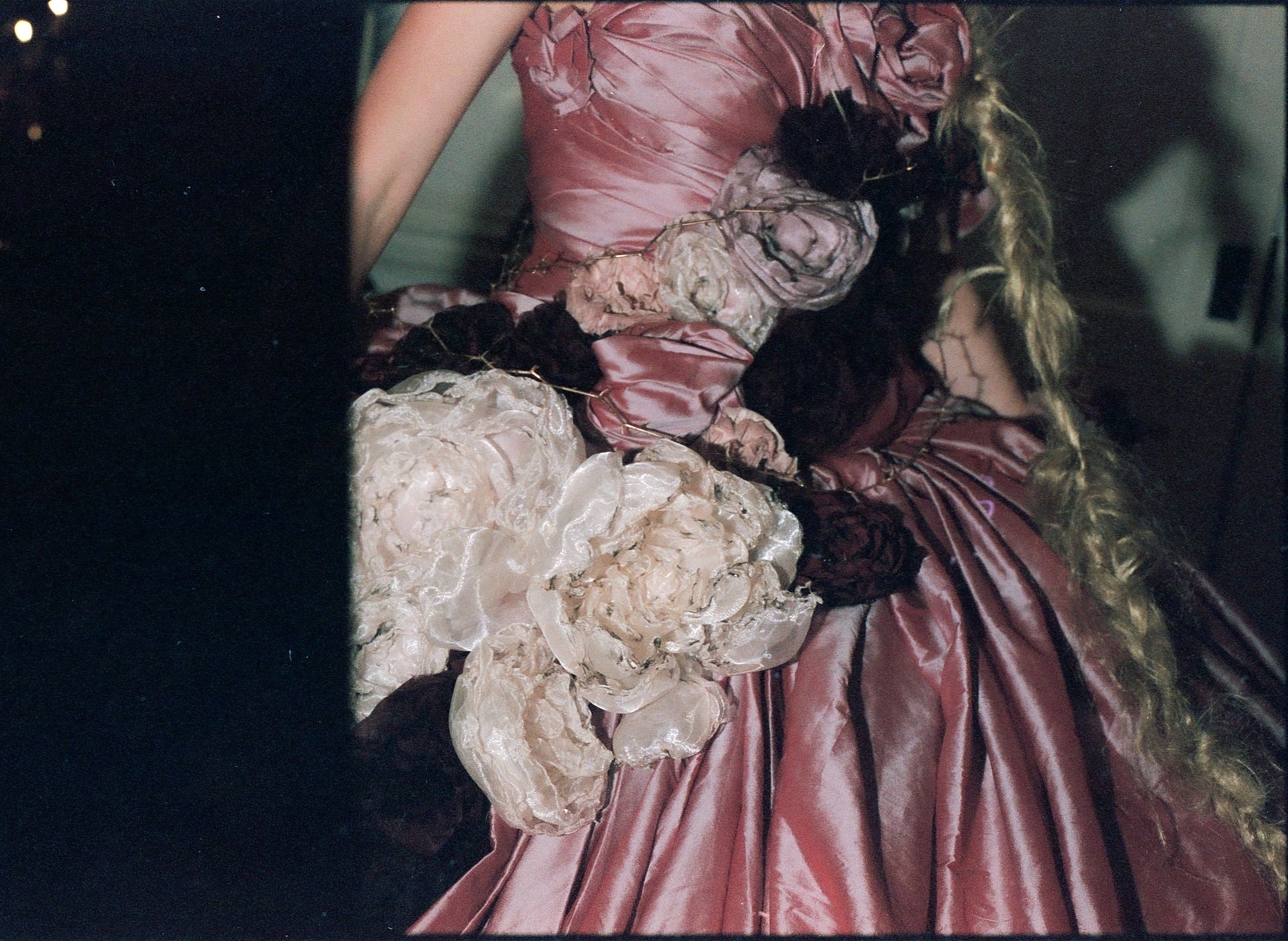
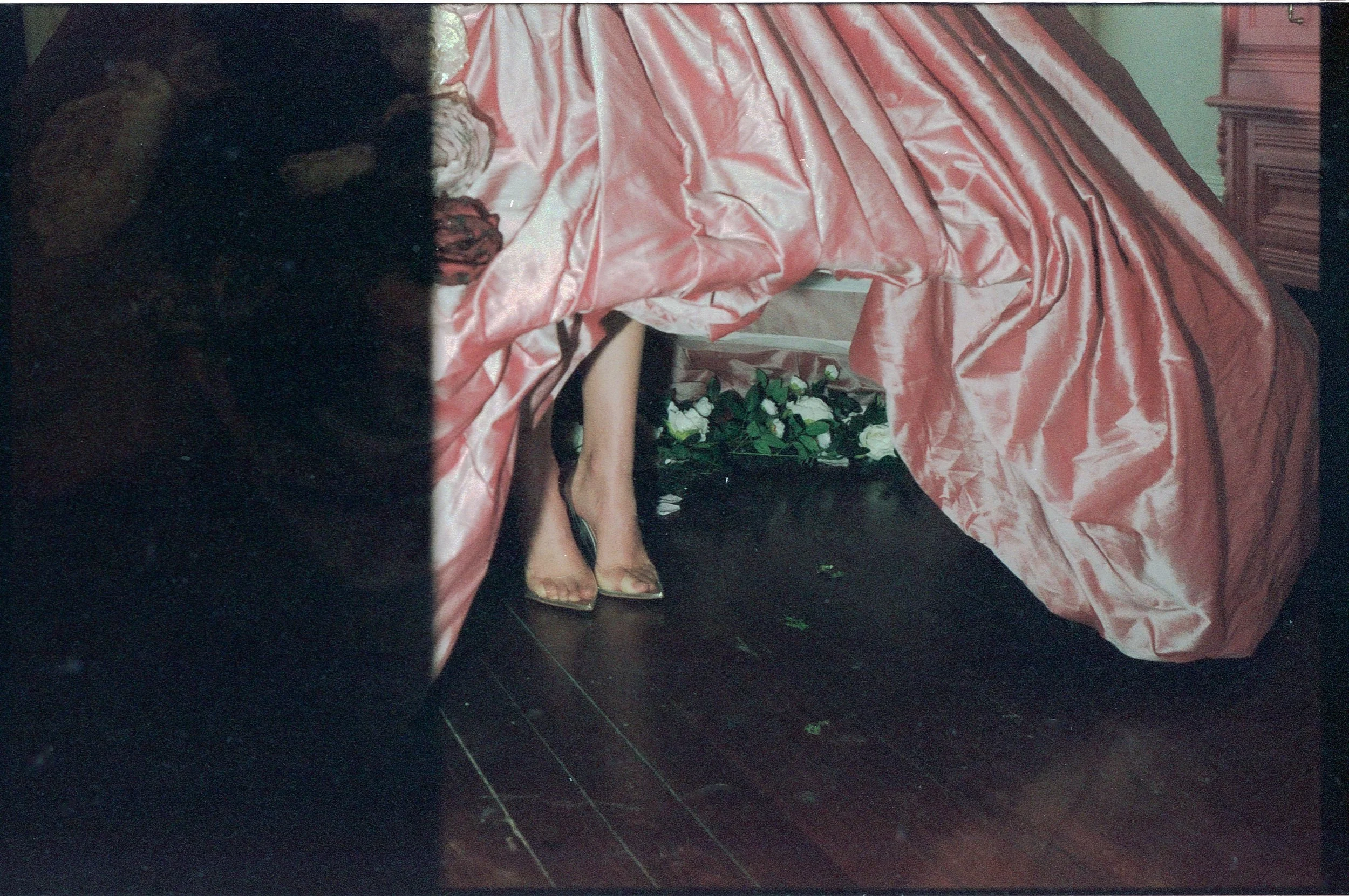
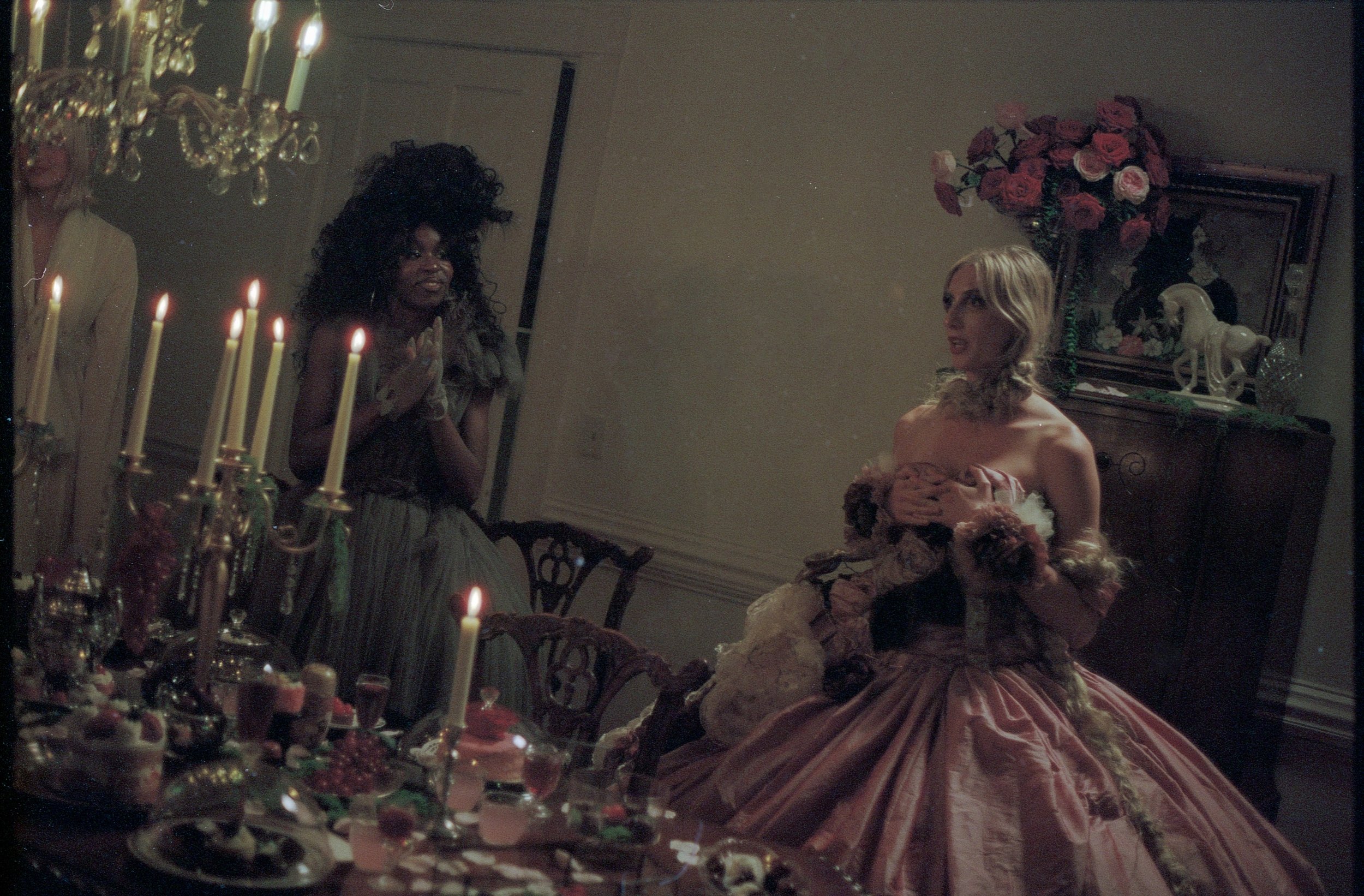
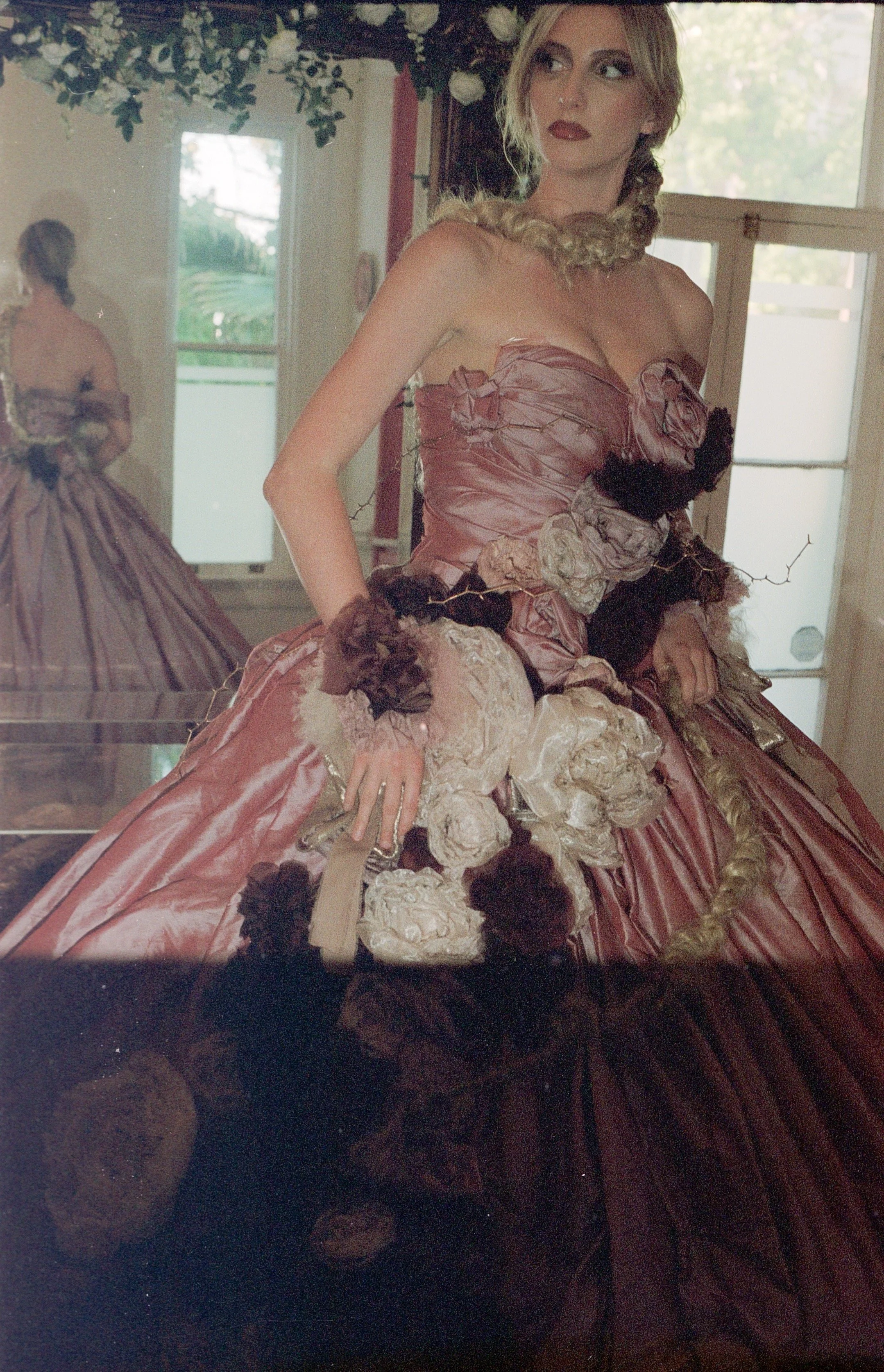
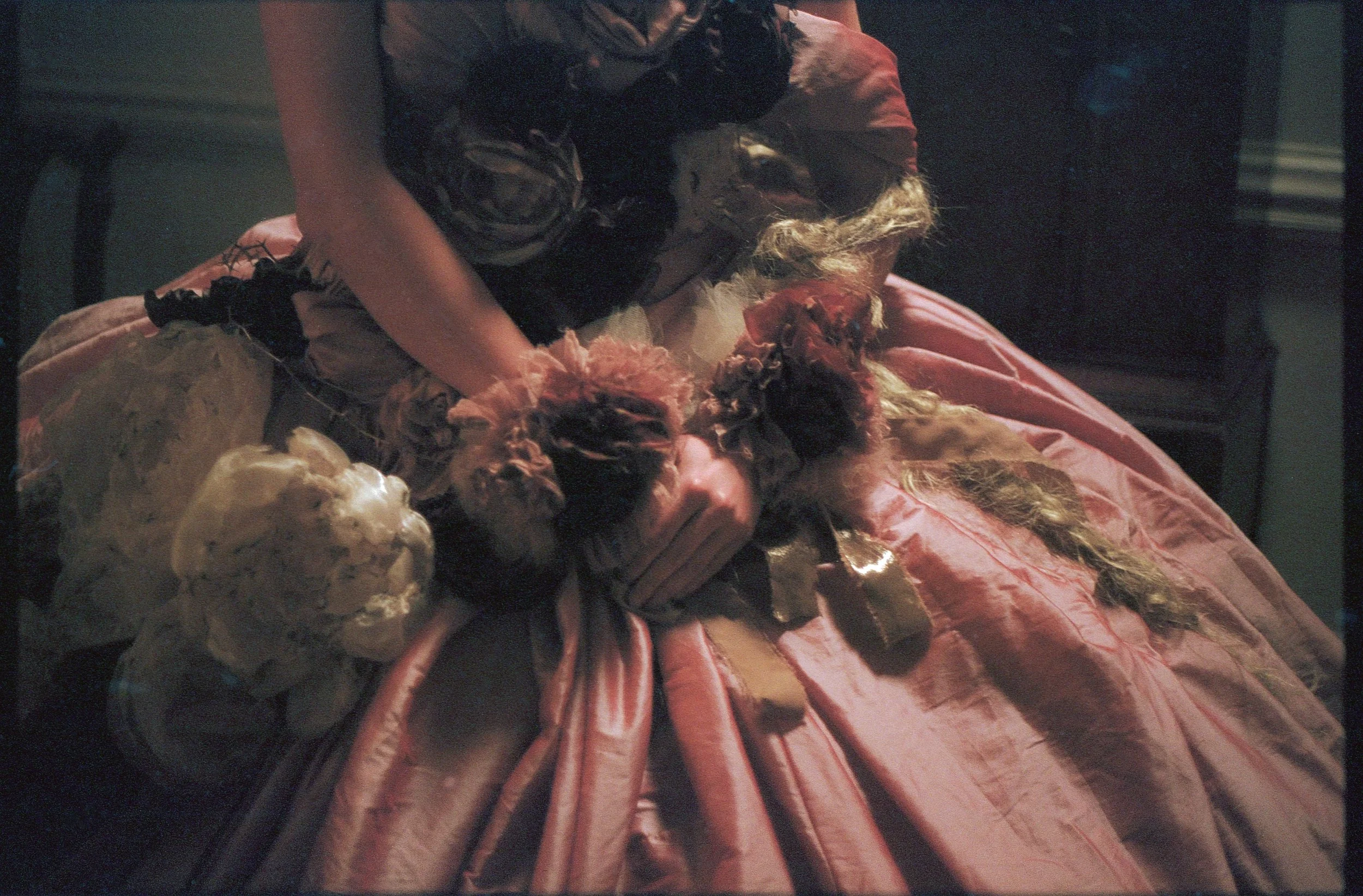
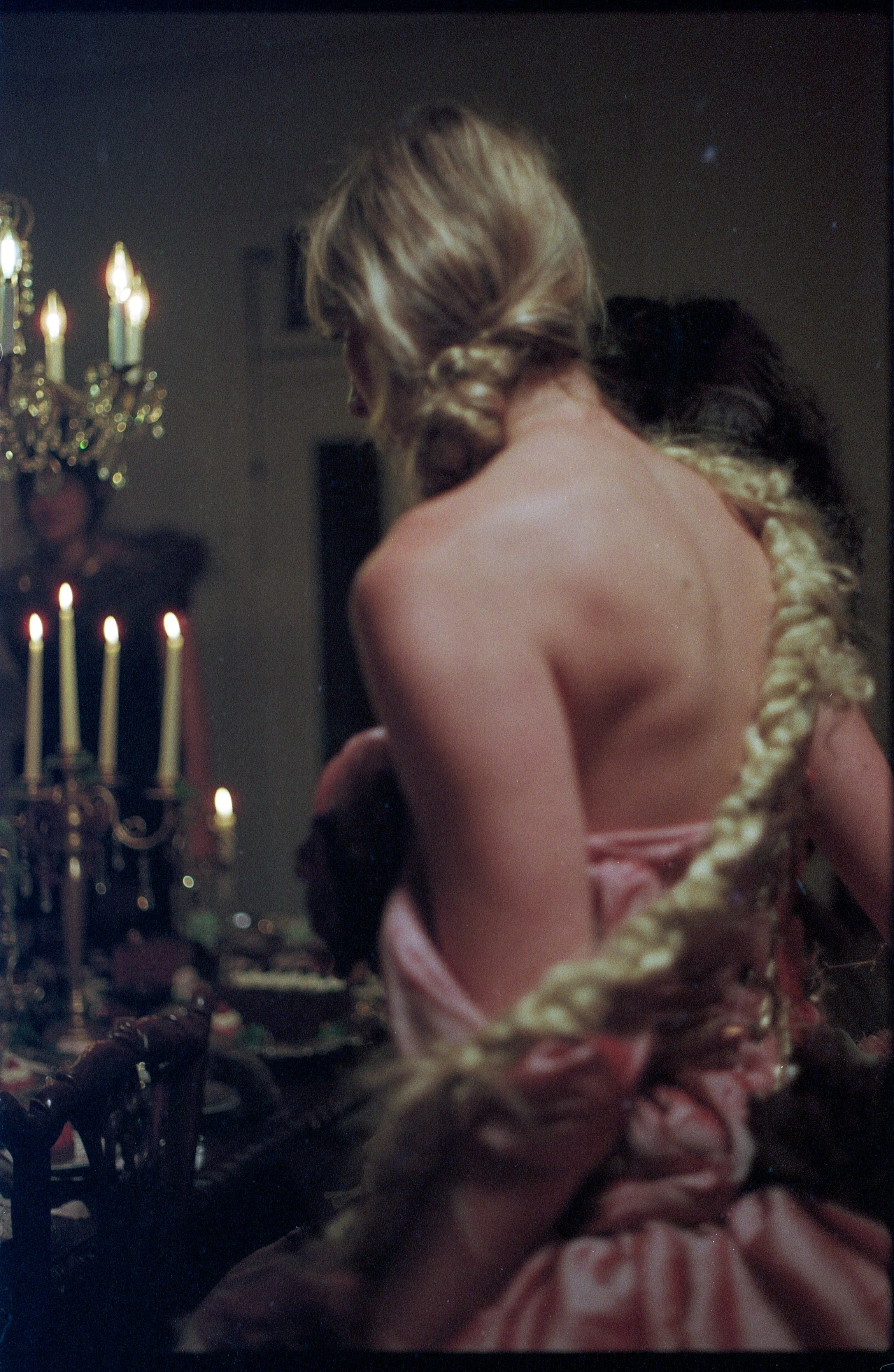
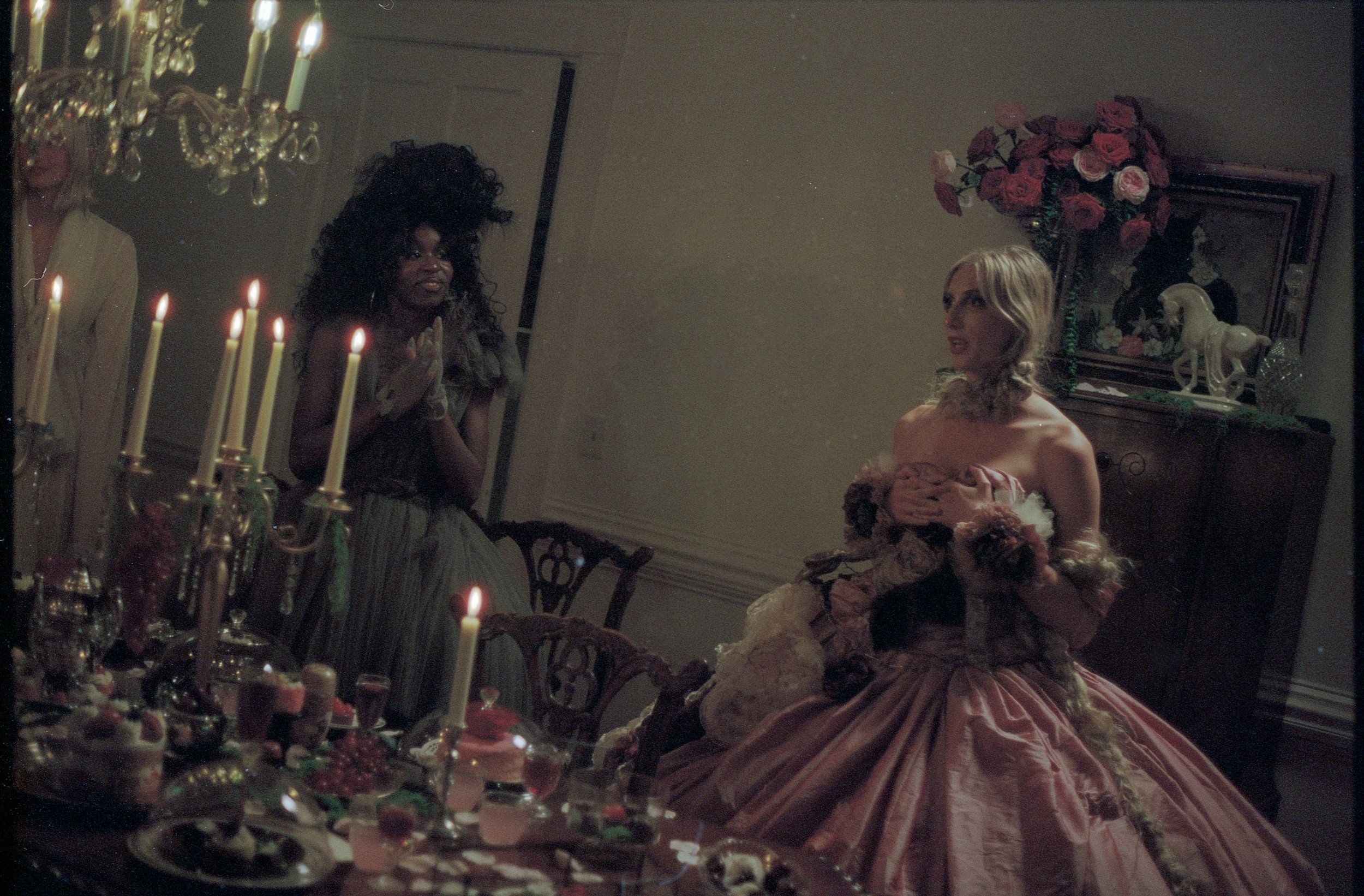
A silky, aged-pink taffeta ball gown with a dramatic 20-foot crinoline silhouette. The draped sweetheart bustier is adorned with dozens and dozens of handmade flowers crafted from treated silk, chiffon, satin, cotton, and tulle. A hand-cast bronze rose vine gracefully wraps around the gown, creating the illusion of a living sculpture. The look is accompanied by delicate floral wrist corsages and finished with a silk headband crowned with a1930’s bronze tiara.
A gown fit for a princess.
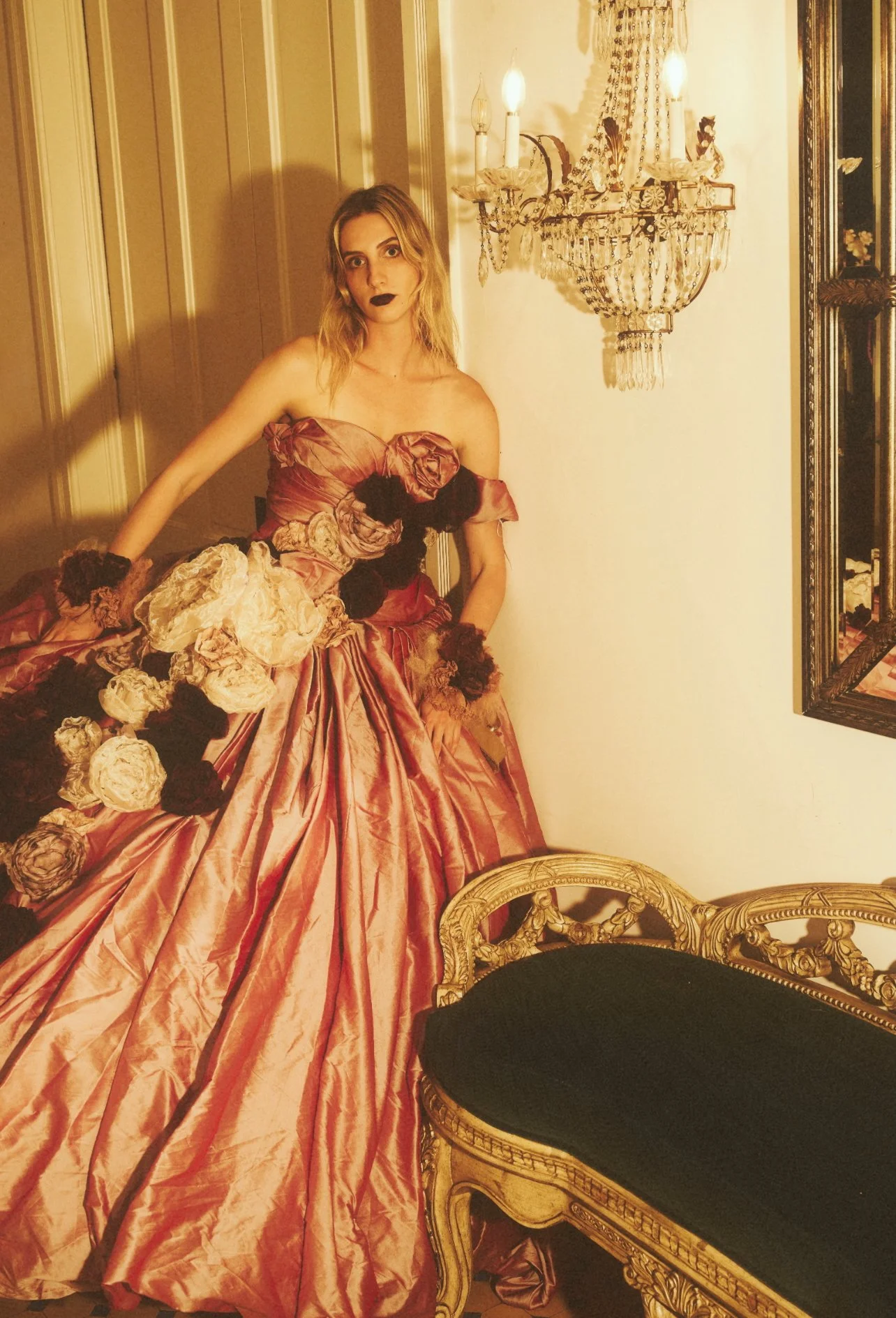

LOOK ONE — Mighty Like A Rose
Look One, Rose, is the beginning of the journey and the connective tissue that binds the entire world of Wonderland together. She is the dreamer before the dream, the threshold between reality and fantasy. Inspired by the symbolism of the rose throughout fairytales—including Beauty and the Beast, where a stolen enchanted rose measures the Beast's fate, and Sleeping Beauty, whose heroine is often known as Briar Rose—this look explores the duality of beauty and pain. A rose is never complete without its thorns. As Arthur Schopenhauer wrote, "No rose without a thorn. Yes, but many a thorn without a rose." The flower becomes both a promise of wonder and a warning that every fantasy carries its own vulnerability.
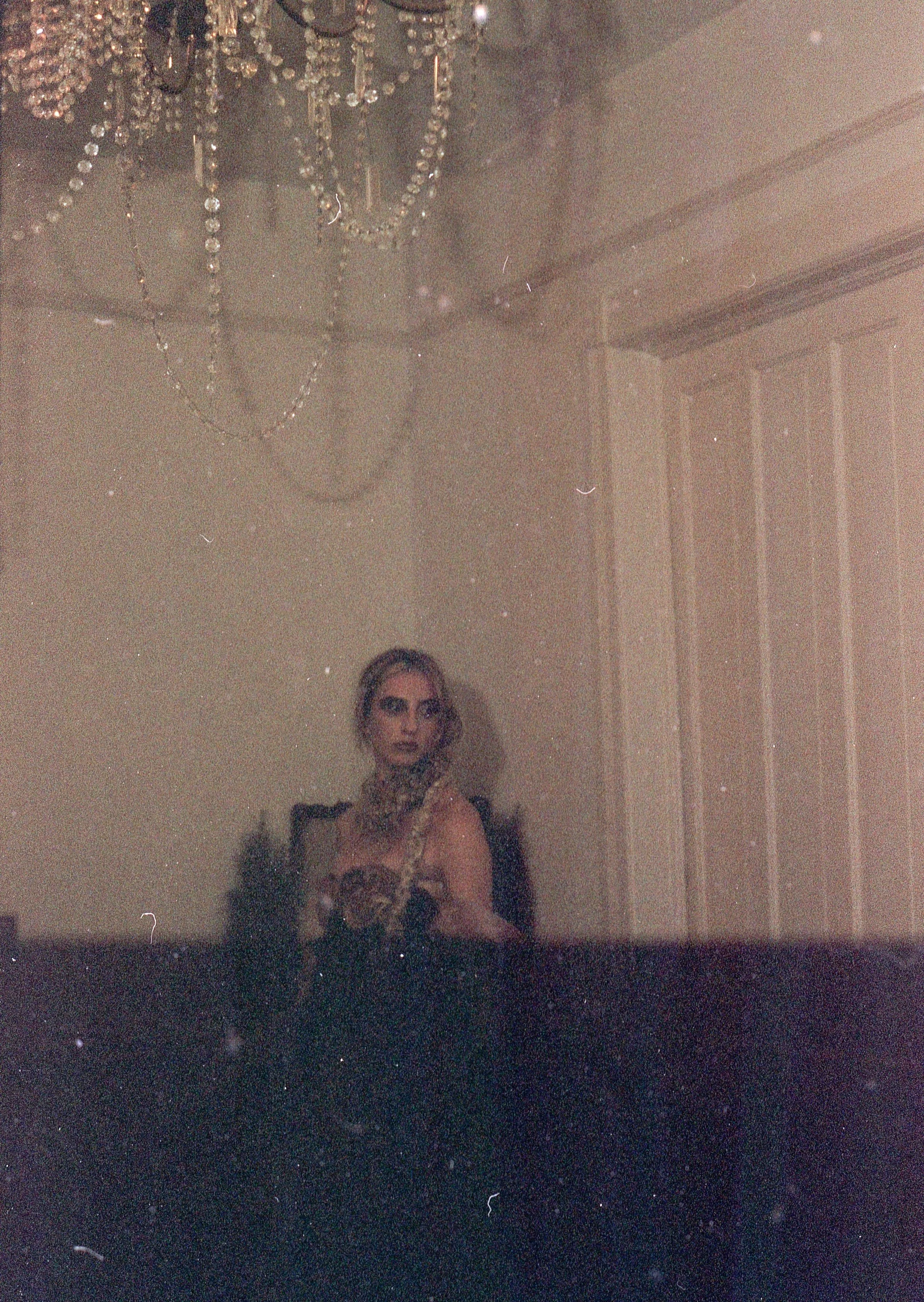
As night falls, the ordinary girl closes her eyes, hoping to escape the relentless noise of her waking mind. Colors flash behind her eyelids, fragments of conversations echo, and sounds swell into an overwhelming symphony that keeps sleep just beyond reach. She burrows beneath her blankets, desperately searching for silence. As she tosses and turns, the braid she spent hours carefully weaving slowly unravels itself. Strand by strand, her hair coils around her body like silk spun by a spider, wrapping her into a restless cocoon. Suspended between consciousness and sleep, she finally surrenders as the unseen dream weaver pulls her gently into another realm. It is only here, beyond the boundaries of waking life, that she finds complete freedom. Wonderland is not a place she can visit by day—it exists only within the dreaming mind.
When Rose awakens inside Wonderland, she is transformed. The darkness of reality gives way to brilliant color. In her waking life she dresses in black, but in her dreams she is adorned in luminous shades of pink. Her gown is impossibly grand, supported by an enormous cage silhouette that would barely fit through a doorway in the real world. Within Wonderland, however, there are no physical limitations. The exaggerated proportions become effortless, representing a world where imagination expands beyond logic and where the impossible feels entirely natural. The iridescent silk shifts with every movement, catching the light like giant pink pearls scattered throughout Wonderland, while its rich rose tones recall the fantastical birds soaring overhead.
As she takes her first steps, the landscape begins responding to her presence. Roses emerge from the hem of her gown, climbing organically across the silhouette as though the garment itself has come alive. Blossoms unfurl across her body before releasing petals that drift gently onto the forest floor behind her, marking the beginning of her journey. The dress becomes a living garden—constantly growing, blooming, and shedding—symbolizing transformation, rebirth, and the fleeting beauty of dreams.
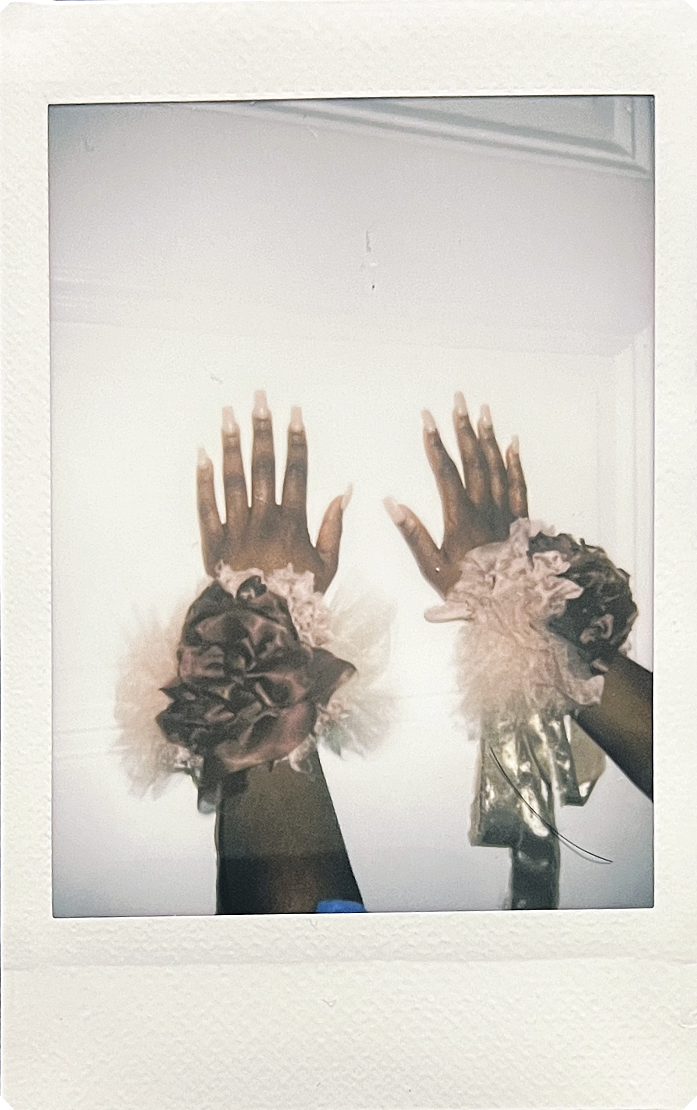
Rose wears floral corsages that blossom around her arms, further connecting her body to the enchanted landscape. Upon her feet appear delicate glass slippers, inspired by Cinderella. Traditionally, the glass slipper symbolizes purity, individuality, and transformation—an object that fits only one person, representing destiny and the discovery of one's truest self. Within Wonderland, the slippers take on an additional meaning. They are not worn out of necessity; the forest floor is as soft as silk beneath her feet. Instead, they become an intentional choice. They remind Rose that this is her world, one shaped entirely by her imagination. The transparent shoes embody the fragile beauty of dreams while granting her a sense of confidence, power, and ownership over the fantastical realm she has created.
Rose is both the protagonist and the emotional foundation of the collection. She embodies the first stage of dreaming—the moment reality dissolves and fantasy begins. Through her transformation, the audience enters Wonderland alongside her, stepping into a world where beauty flourishes, impossible silhouettes become reality, and every dream has the power to bloom.
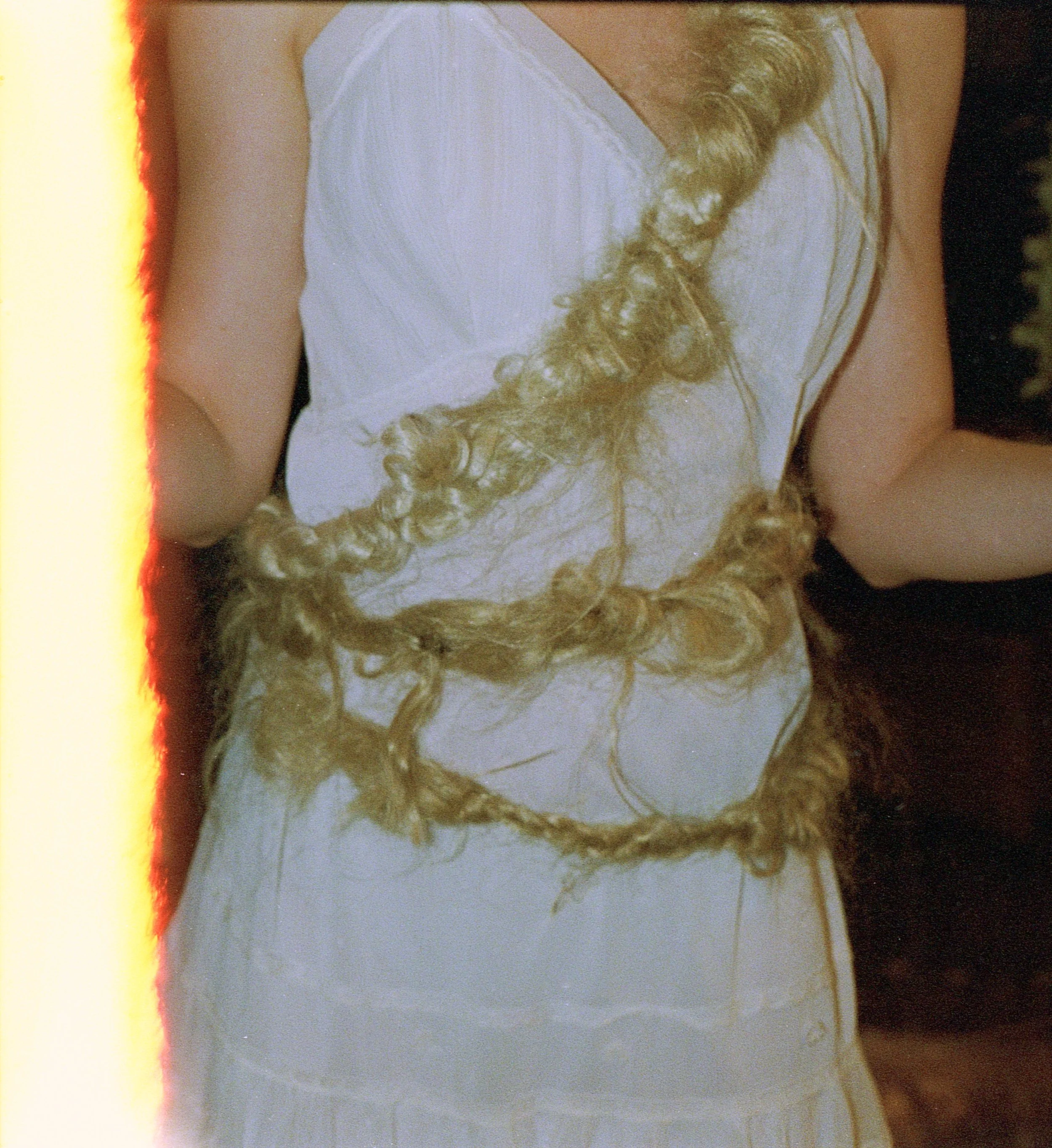
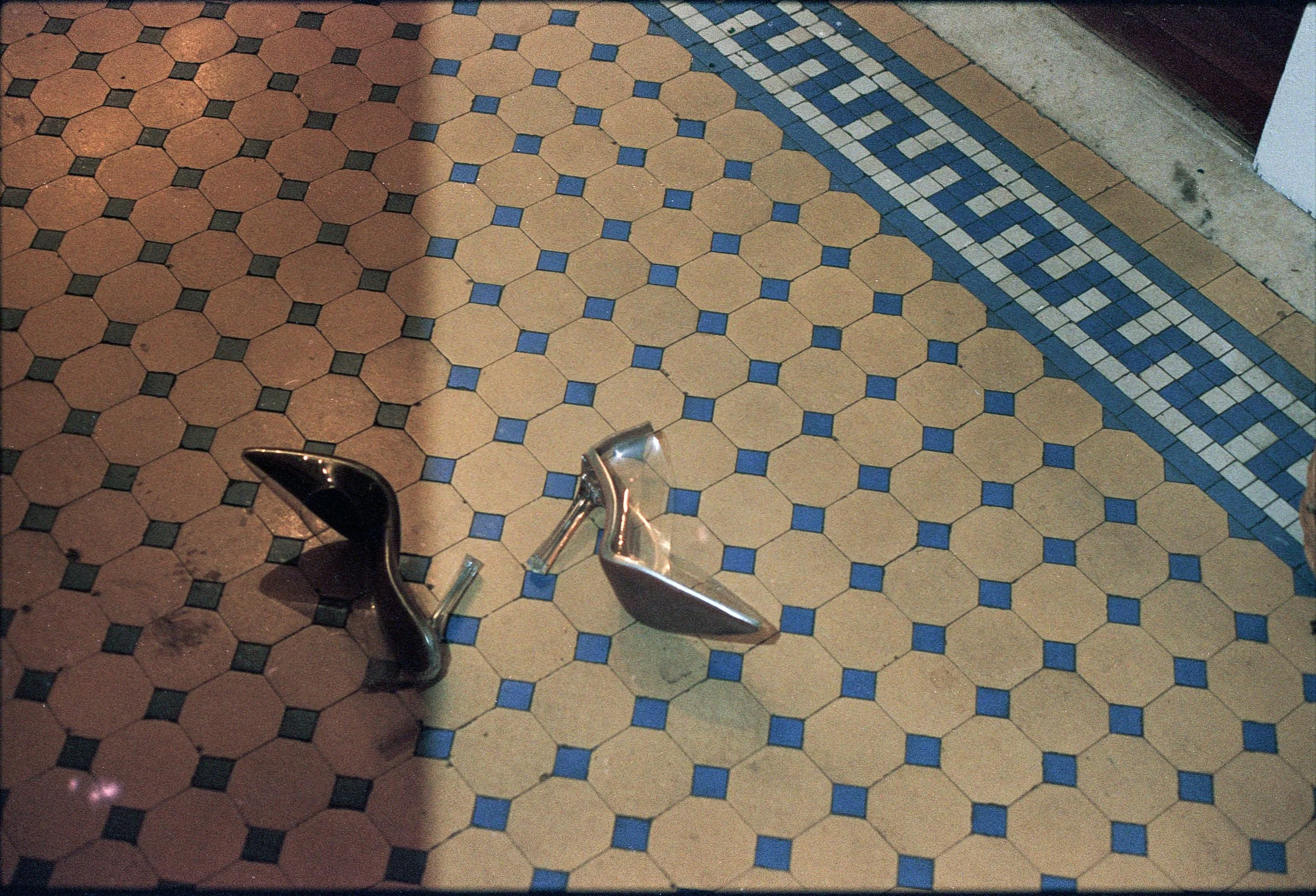
“No rose without a thorn. Yes, but many a thorn without a rose.” – Arthur Schopenhauer
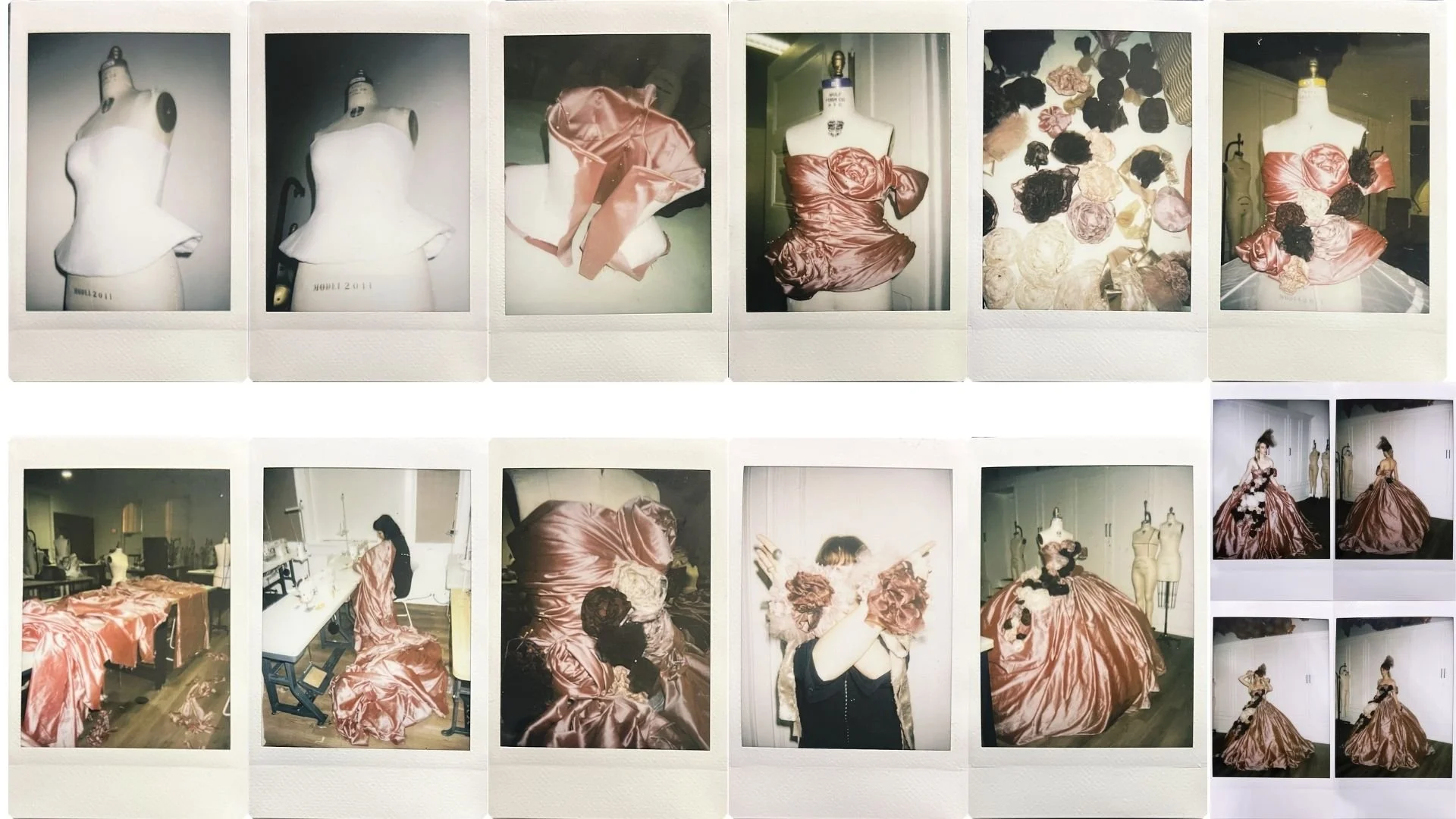
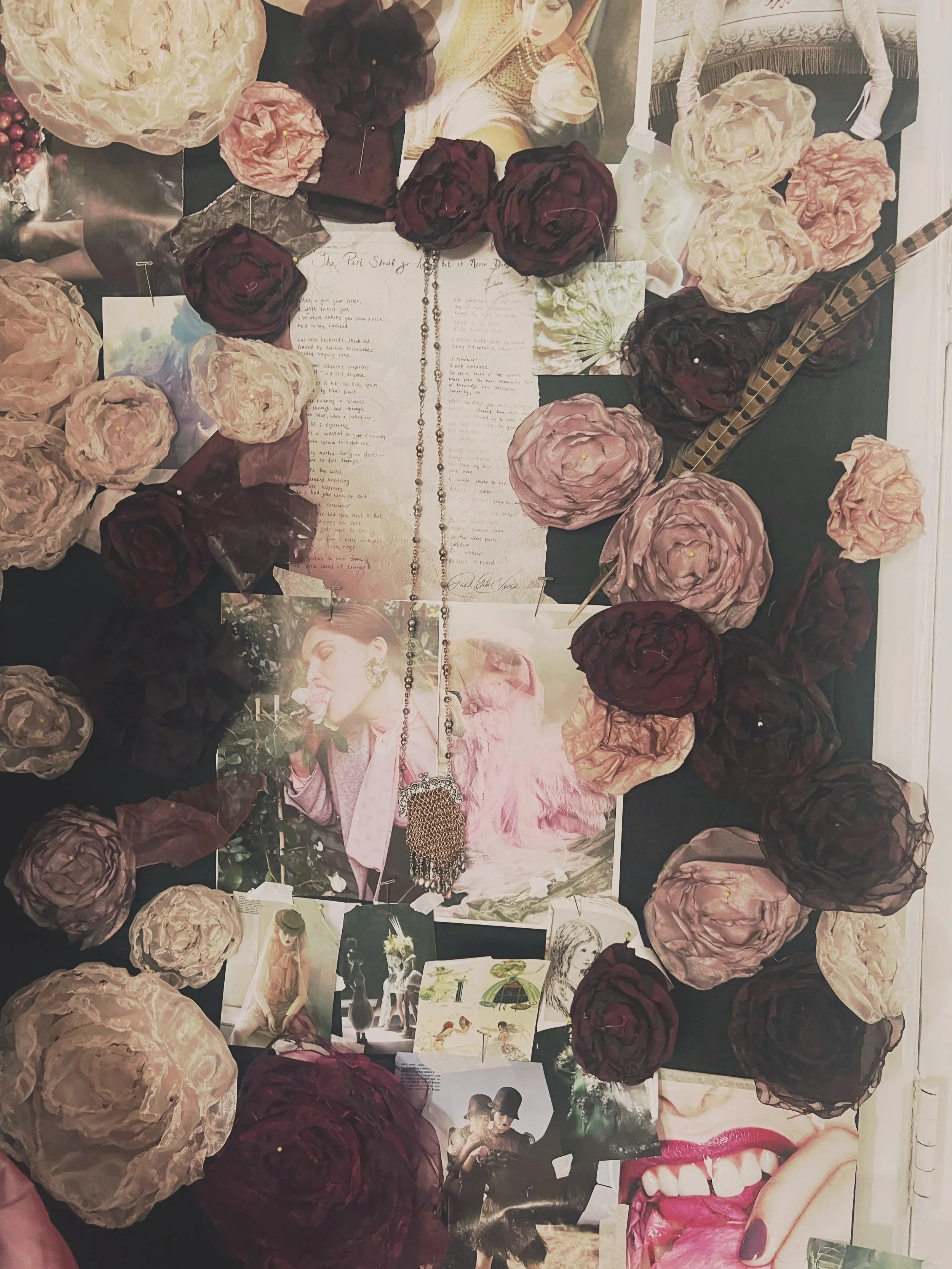
The Roses
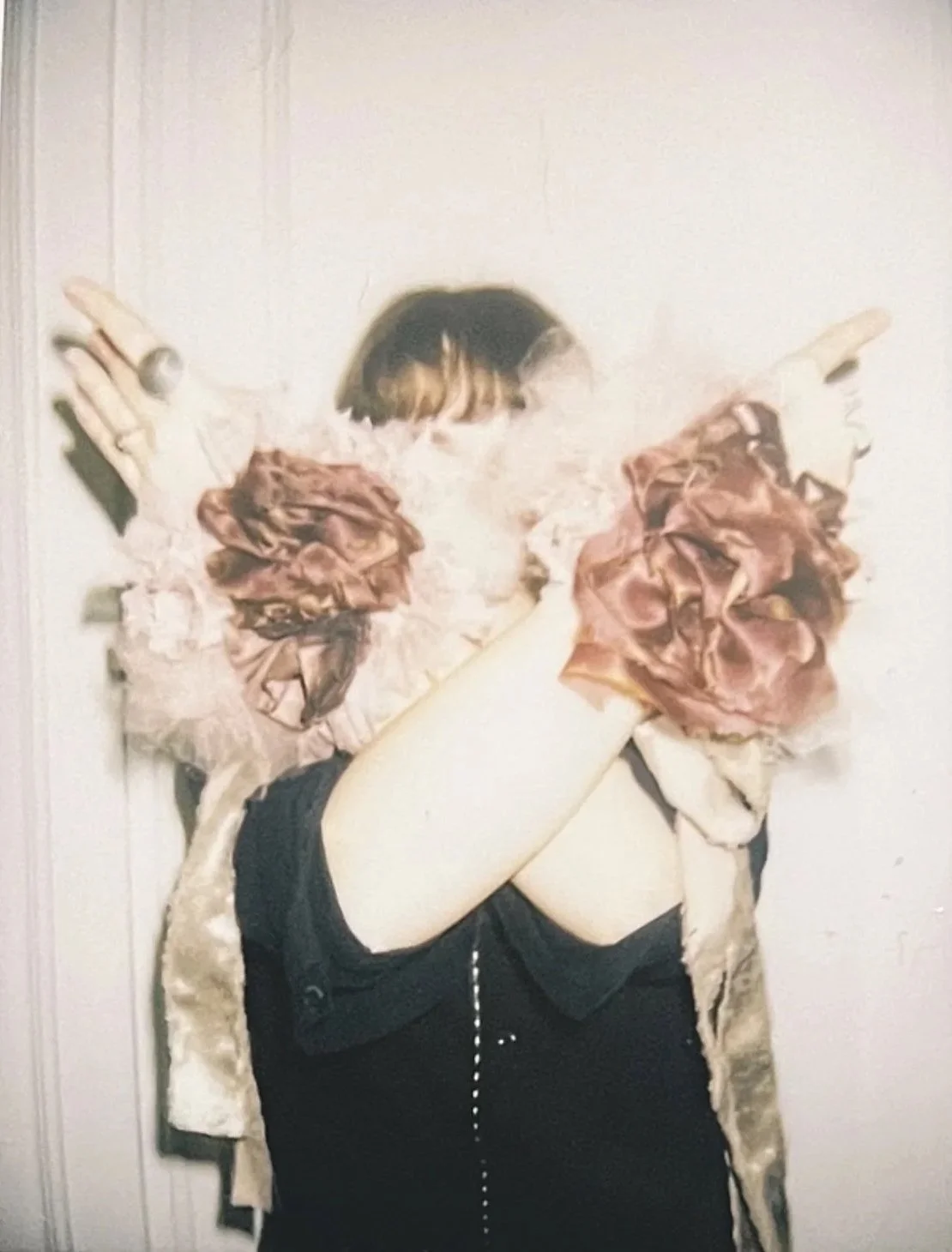
The flowers that bloom throughout the collection were individually handcrafted in a variety of fabrics, allowing each blossom to possess its own unique texture, movement, and character. Like the ever-evolving moodboard that informed the collection, the floral elements continually transformed throughout the design process, growing alongside the narrative of Wonderland.
Every petal was carefully cut, shaped, and hand sewn before the edges were delicately heat-treated to create organic, naturally aged contours. This subtle burning process introduced depth and variation, giving each flower the appearance of having bloomed naturally rather than being manufactured.
To preserve their sculptural form, each completed flower was treated with a stiffening solution that allowed the petals to maintain their shape while retaining the softness and movement of the fabric. The resulting blossoms balance delicacy with structure, becoming living embellishments that appear to grow across the garments, reinforcing the collection's themes of transformation, fantasy, and nature reclaiming the body.
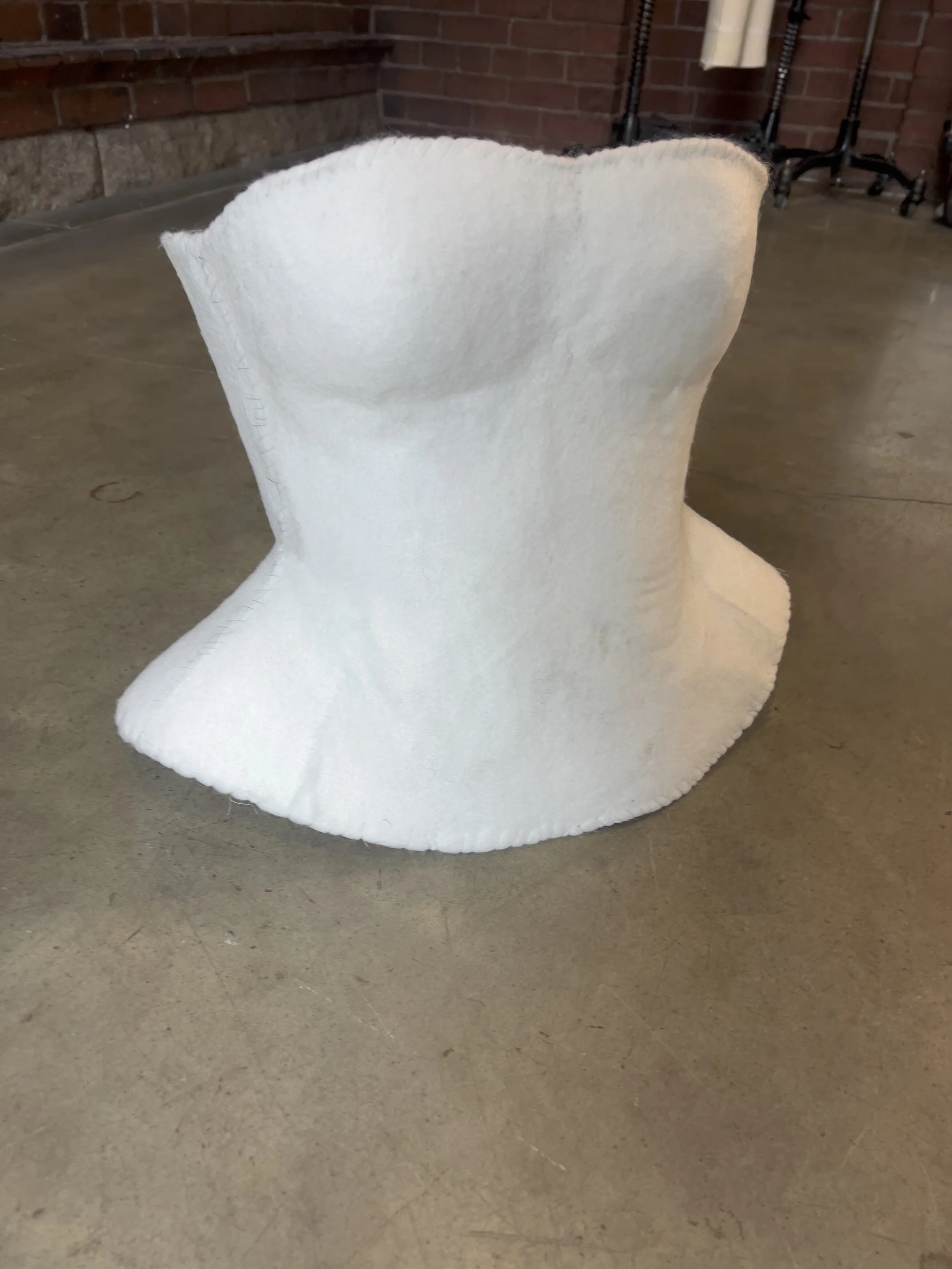
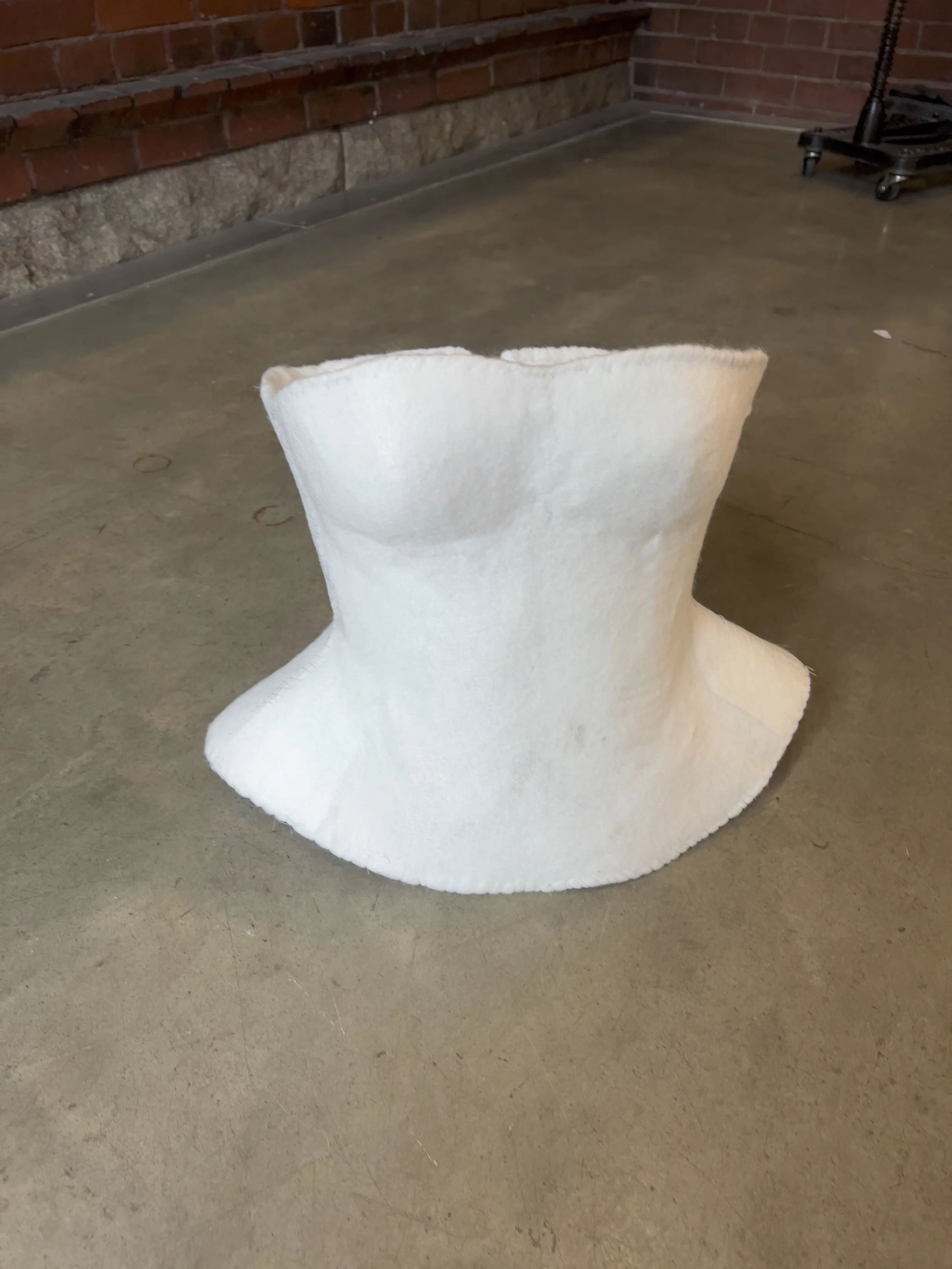
The Bodice
Rather than constructing this garment through traditional corsetry and flat-patterning techniques, I chose to explore an experimental approach using alternative materials. My goal was to create a foundation that was sculptural, lightweight, and molded precisely to my model's body while allowing greater freedom to shape the silhouette by hand.
After researching different methods and testing a variety of materials, I discovered a heat-molding process using Fosshape. The material could be activated with heat and formed directly over a mannequin padded to my model's exact measurements, creating a custom body cast that captured every contour with remarkable precision. Once the molded pieces were complete, they were hand sewn together and covered with layers of batting to soften the surface and create a smooth foundation for draping.
The final fashion fabric was then draped directly onto the molded base and hand-stitched into place. Working three-dimensionally allowed me to sculpt the garment intuitively, refining proportions and curves as I worked rather than relying solely on extensive patternmaking. Although this process initially began as an experiment, it quickly became an invaluable construction method. Given the limited production timeline, it enabled me to achieve a perfectly fitted corset while providing greater opportunities for creative exploration and organic shaping. As a designer, I naturally gravitate toward working directly with my hands, making this technique feel both instinctive and rewarding.
Beyond achieving an exact fit, the molded Fosshape foundation also served as an exceptionally strong internal structure capable of supporting the dramatic volume of the gown. The skirt alone consists of more than 35 yards of gathered taffeta, requiring a stable base to distribute its weight without compromising the silhouette. This innovative construction process ultimately allowed for greater precision, sculptural freedom, and efficiency, demonstrating how experimentation was my most powerful design tool when traditional methods are reimagined.
The Moving Roses
One of the most memorable collaborations within Wonderland began after attending jewelry designer Yan Gao's MFA showcase. Among her work was a necklace featuring delicate mechanical flowers that opened and closed with lifelike movement. The moment I saw it, I knew I wanted to incorporate that same sense of animation into my own collection. The moving roses became an opportunity to blur the boundaries between fashion, jewelry, sculpture, and technology, bringing an element of magic to an otherwise historically inspired world.
Yan was an invaluable collaborator throughout the development of the collection. She introduced technologies and processes that expanded my creative possibilities, including 3D printing, CAD modeling, and miniature mechanical systems. These innovations created a compelling contrast with the hand-sewn couture techniques, historical silhouettes, and more traditional looking craftsmanship that define Wonderland. Rather than competing with the collection's romantic aesthetic, the technology enhanced the illusion that the garments were truly alive.
From the beginning, collaboration was central to my vision for this project. I intentionally sought out artists and makers from a variety of disciplines—from technology-driven designers and jewelry artists to traditional shoemakers and craftspeople—because I believe fashion reaches its fullest potential when it becomes interdisciplinary. Every collaborator contributed a unique perspective, elevating the collection beyond what I could have achieved alone. Their expertise allowed each look to become a complete world rather than simply a garment.
For me, fashion is never created in isolation. Accessories, footwear, millinery, jewelry, and emerging technologies are not secondary elements; they are essential components of storytelling. They enrich the narrative just as much as the garments themselves, adding layers of craftsmanship, innovation, and character.
Coordinating more than ten collaborators over the course of my thesis was both one of the greatest challenges and one of the most rewarding aspects of the entire process. Managing different schedules, disciplines, and creative approaches required careful communication and trust, but the resulting exchange of ideas made Wonderland stronger, more ambitious, and ultimately more representative of the collaborative spirit that I think defines fashion.
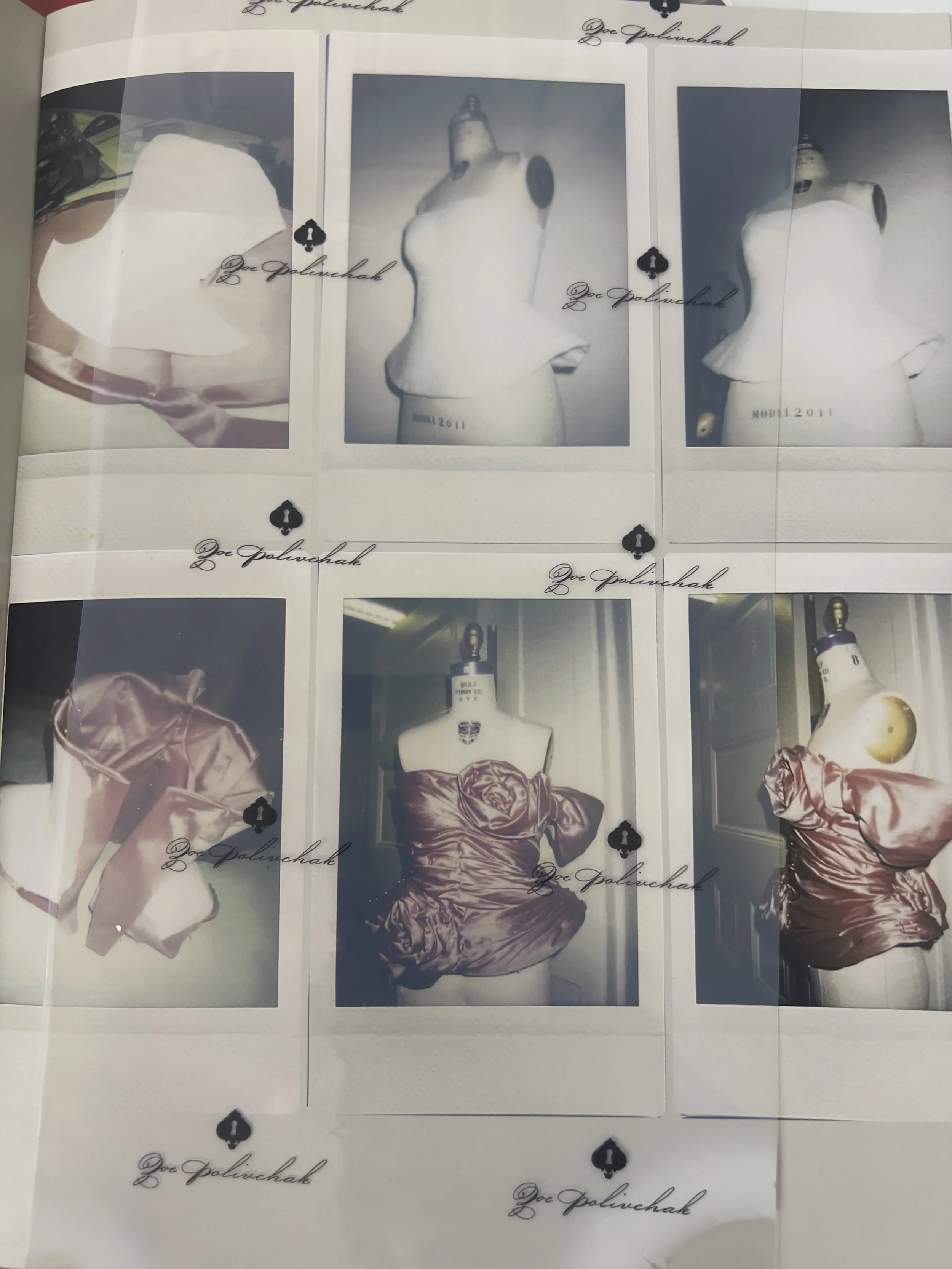
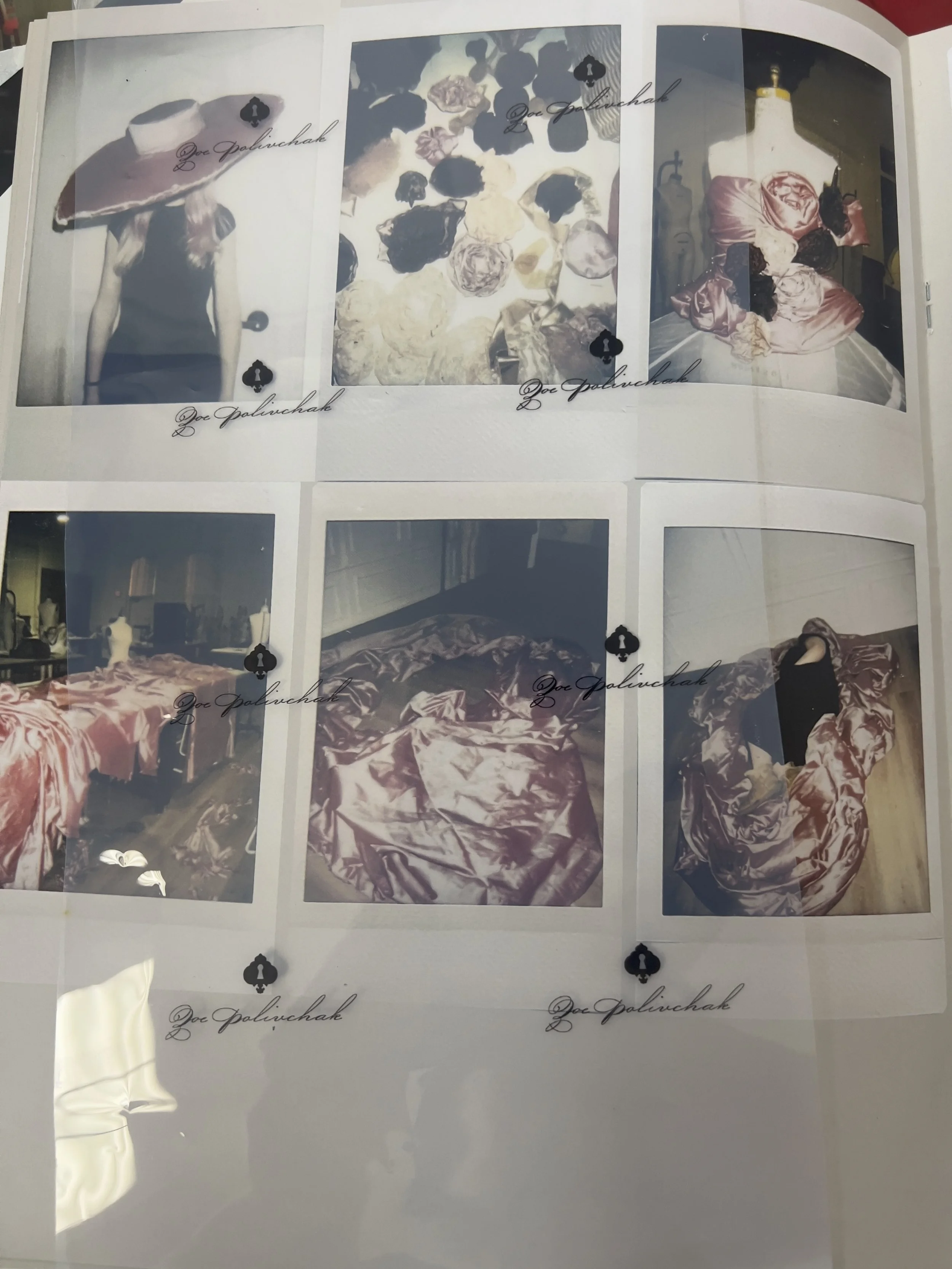
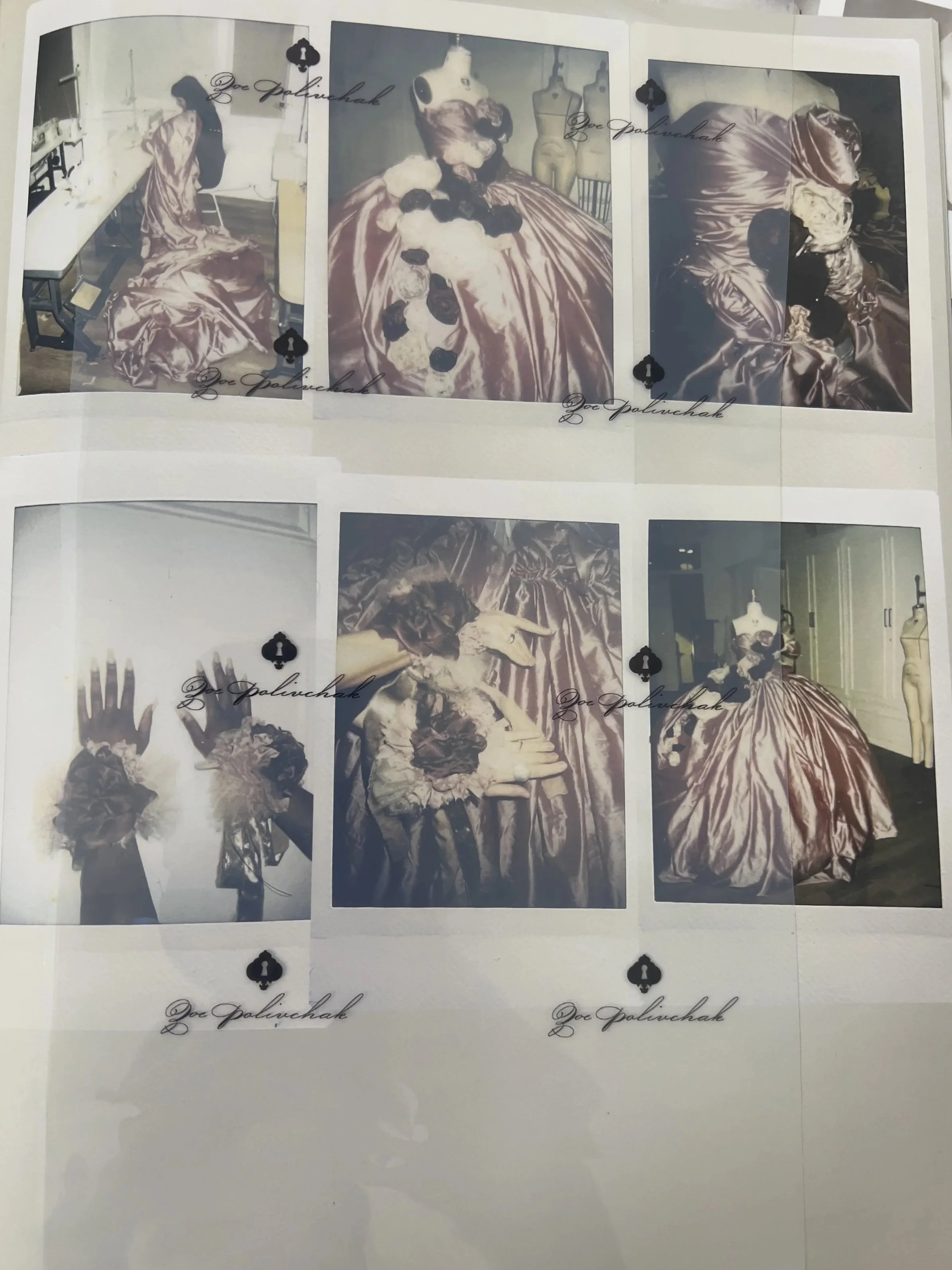
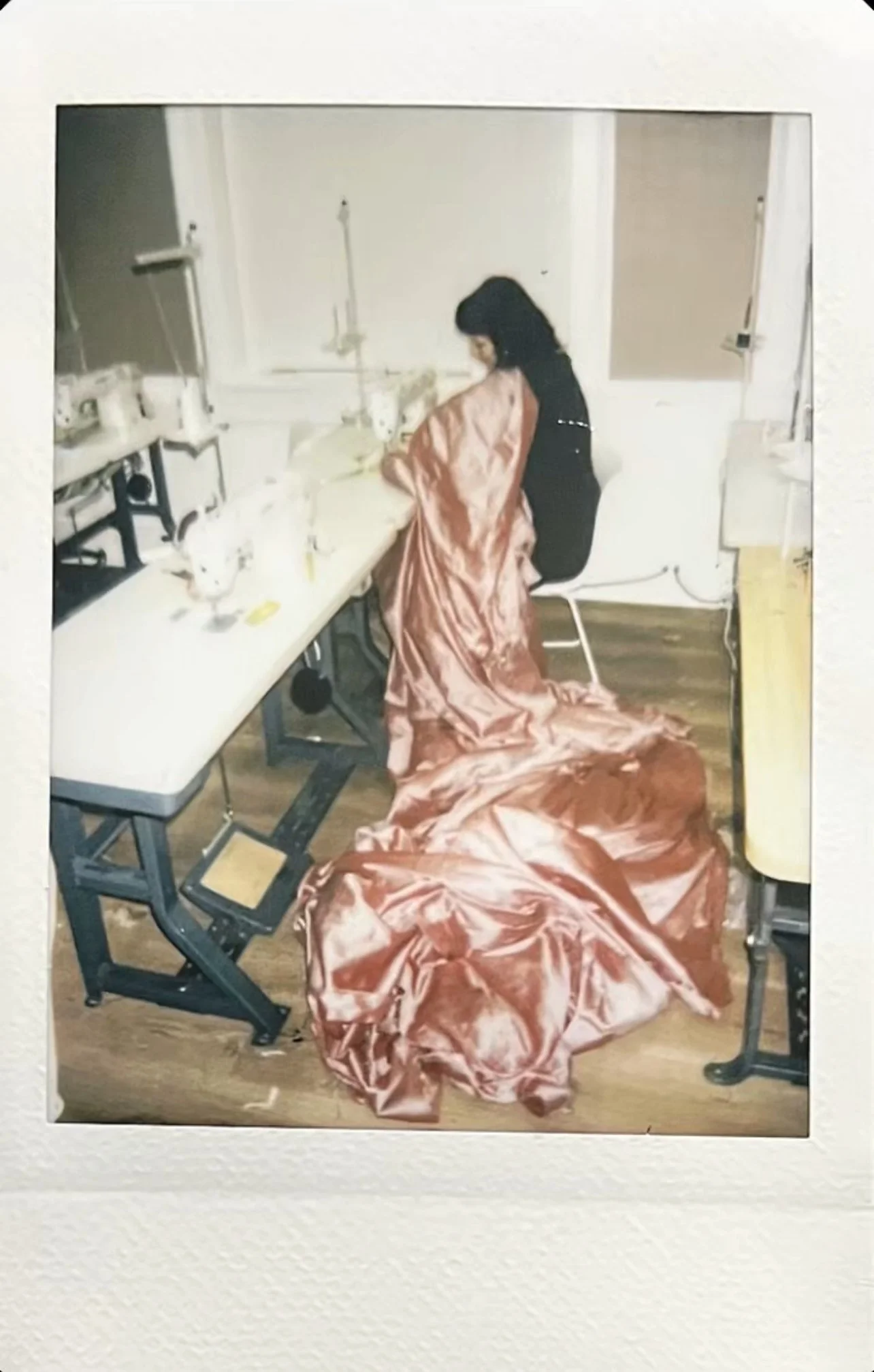
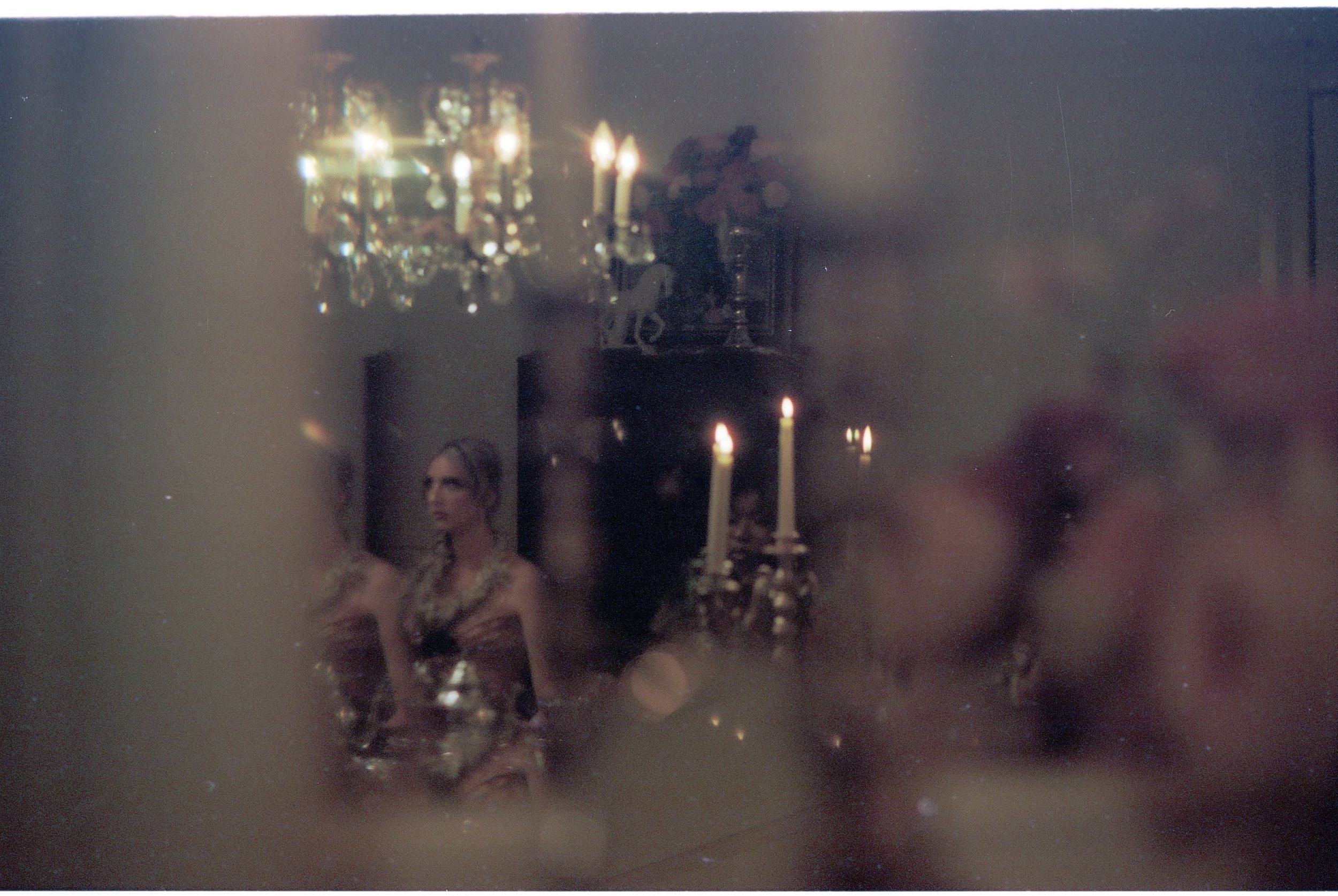
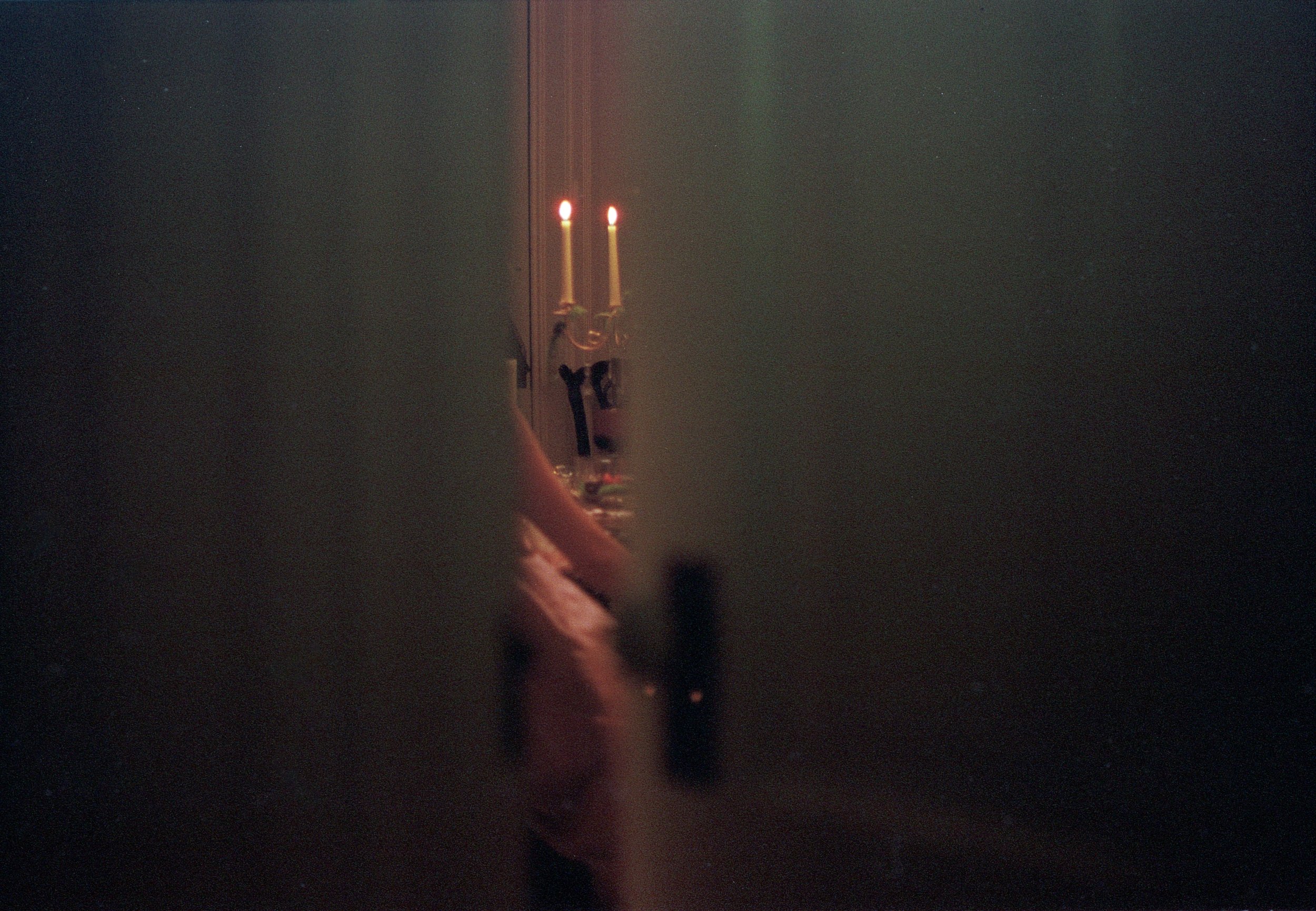
process,
documented on poloroid
COLLABORATIONS
COLLABORATIONS
Rosebud Corsages
Created in collaboration with SKYLAR SMITH
fiber and accessory designer
Bronze Rose Vine
Created in collaboration with MADELINE POLLARD
jewelry designer
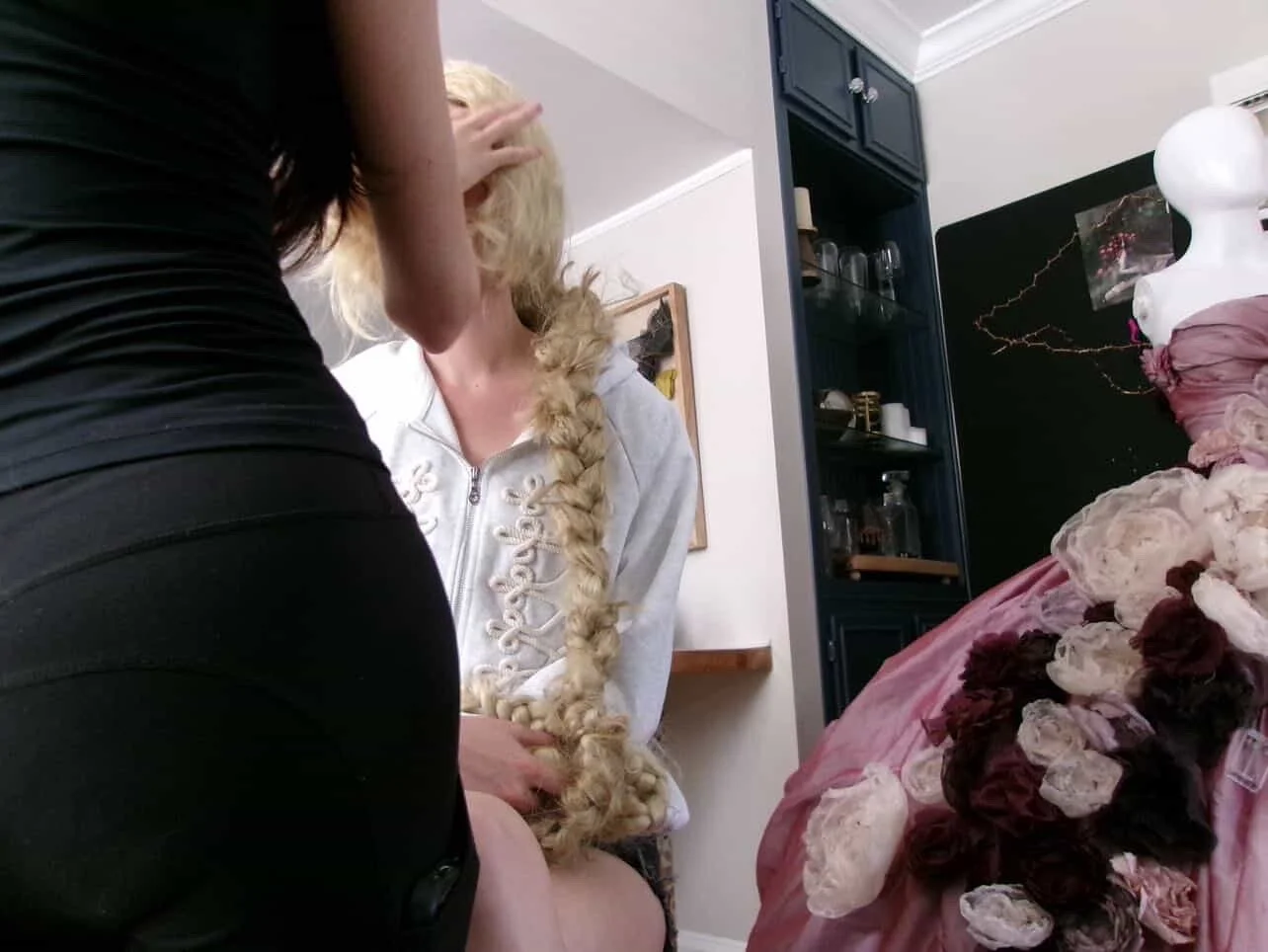
Custom Wigs
Created in collaboration with JULIET JAMES
wig artist and hair stylist
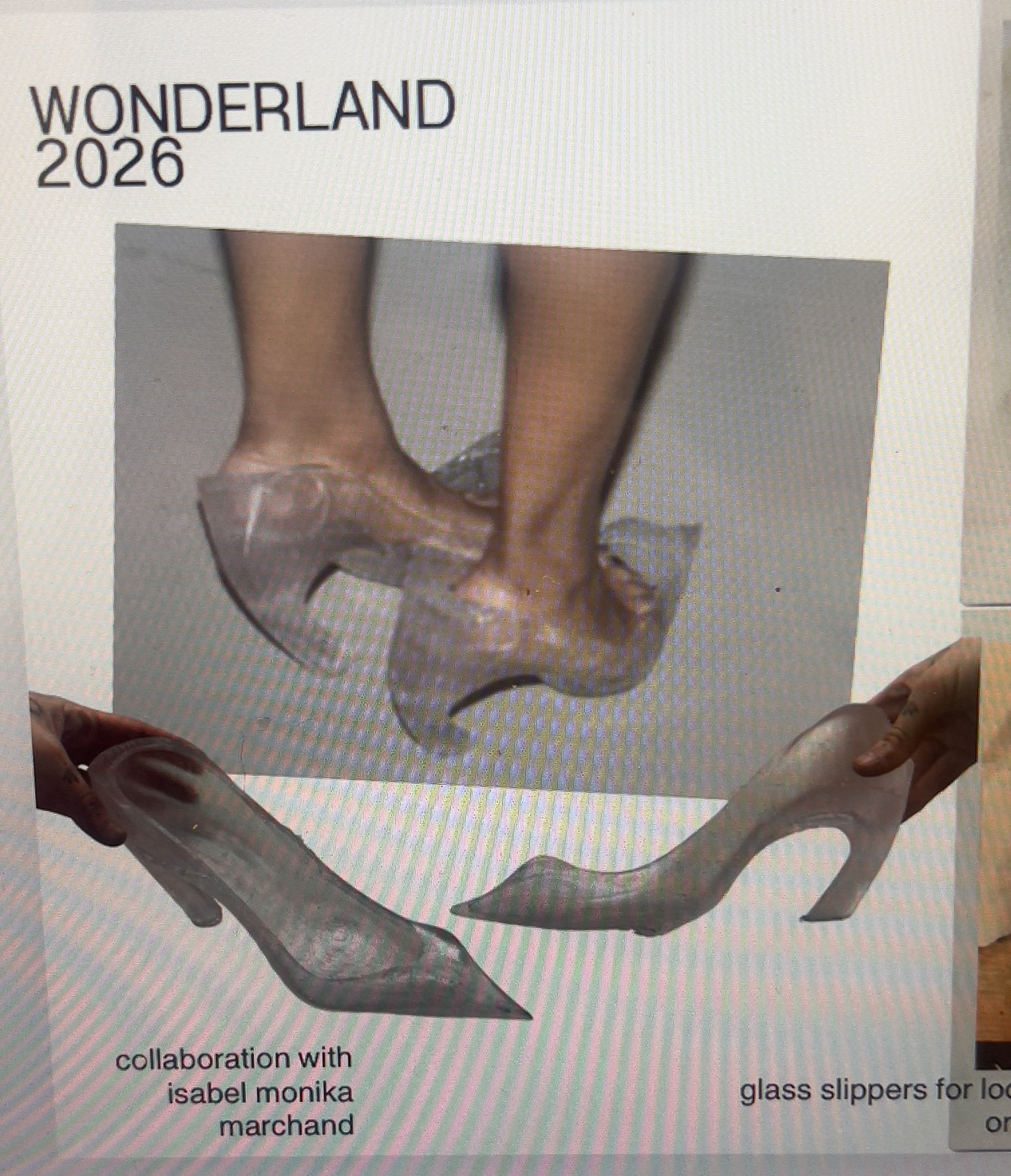
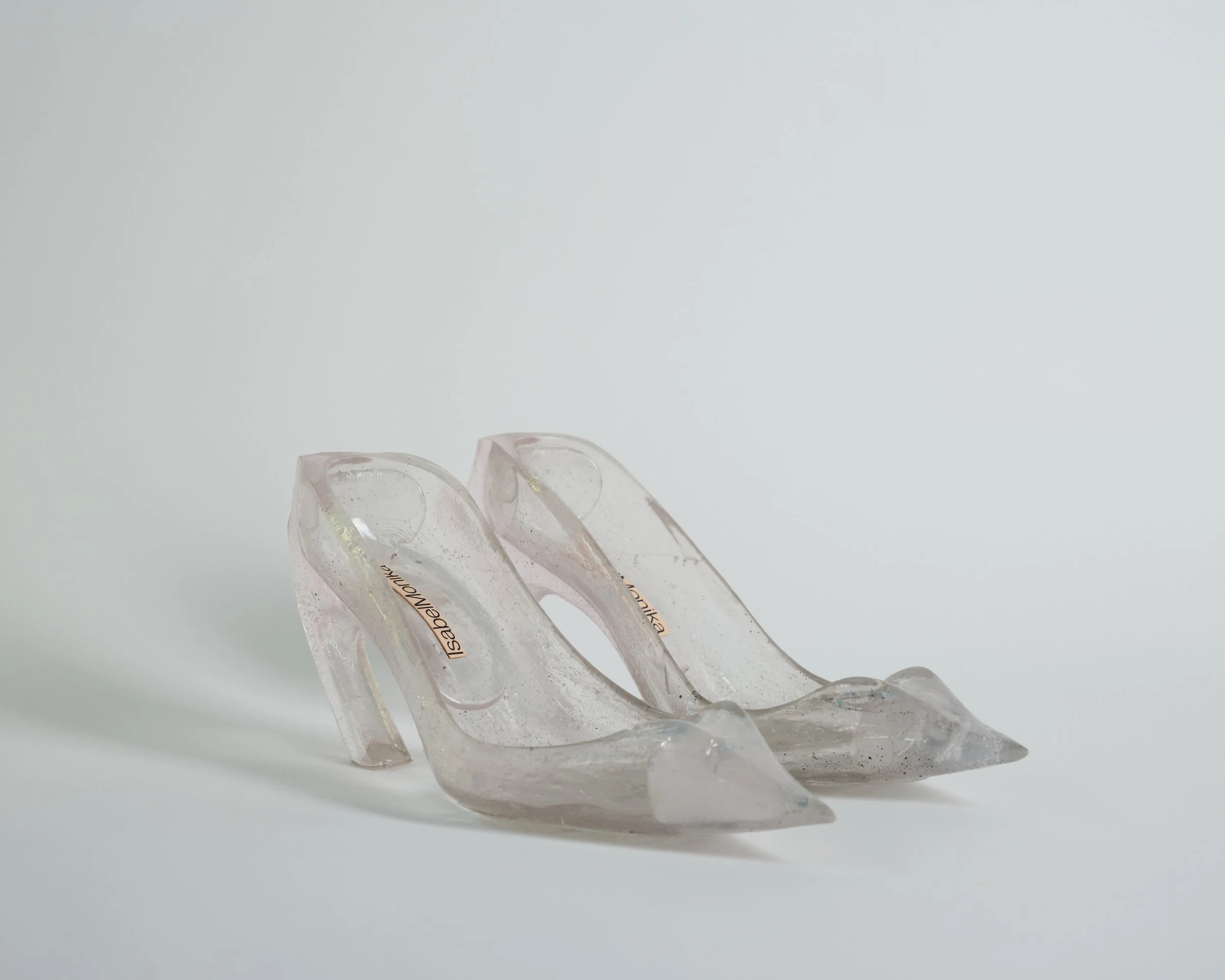
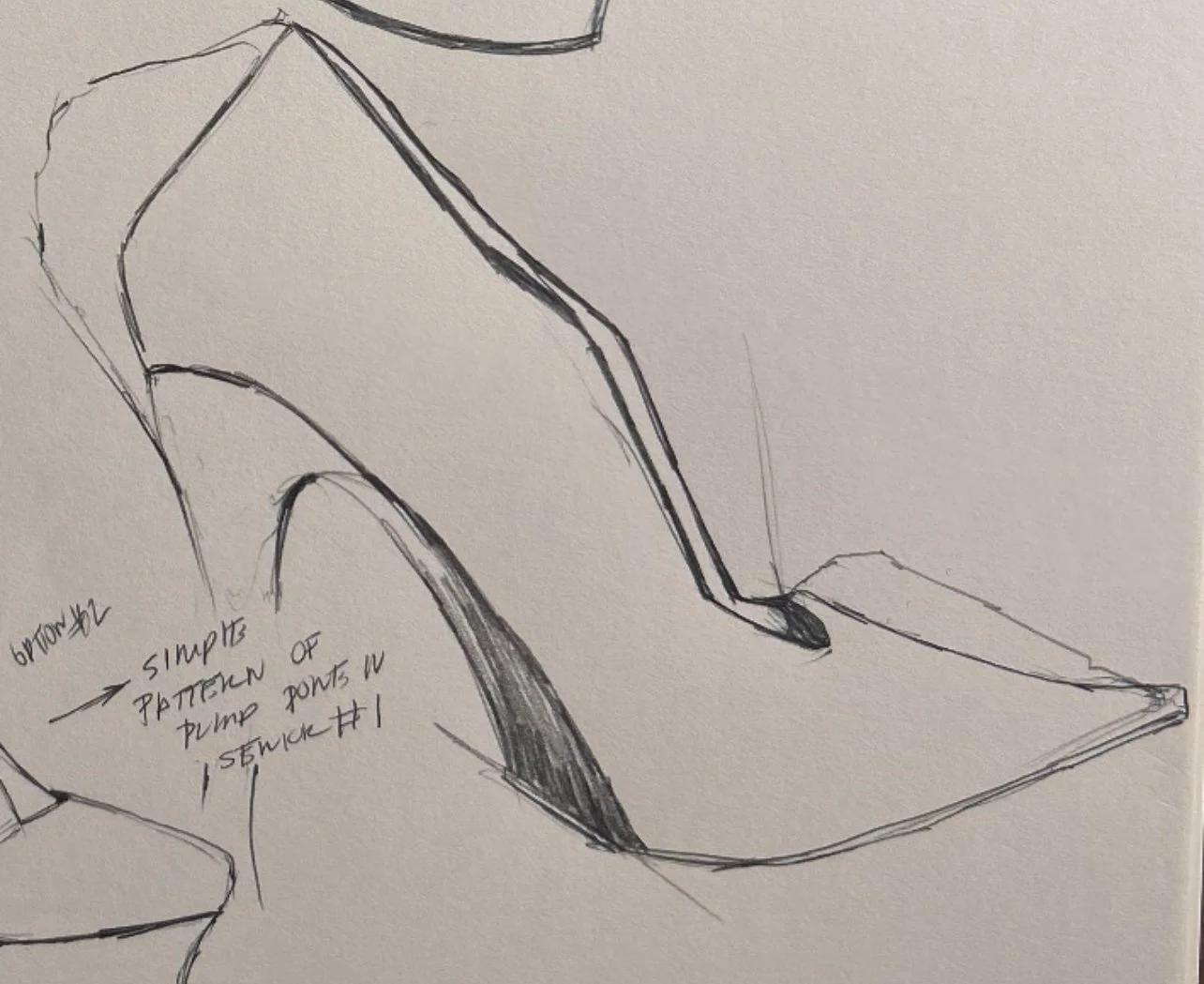
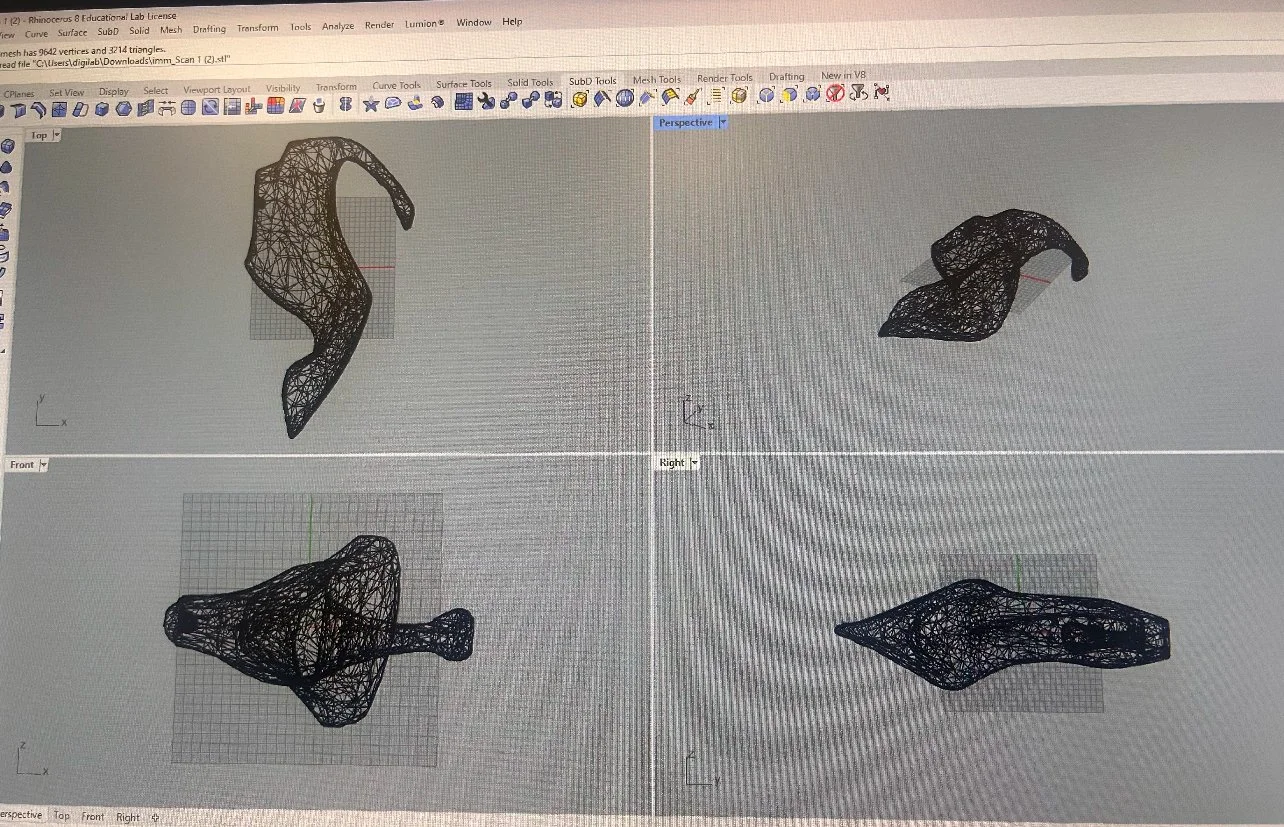
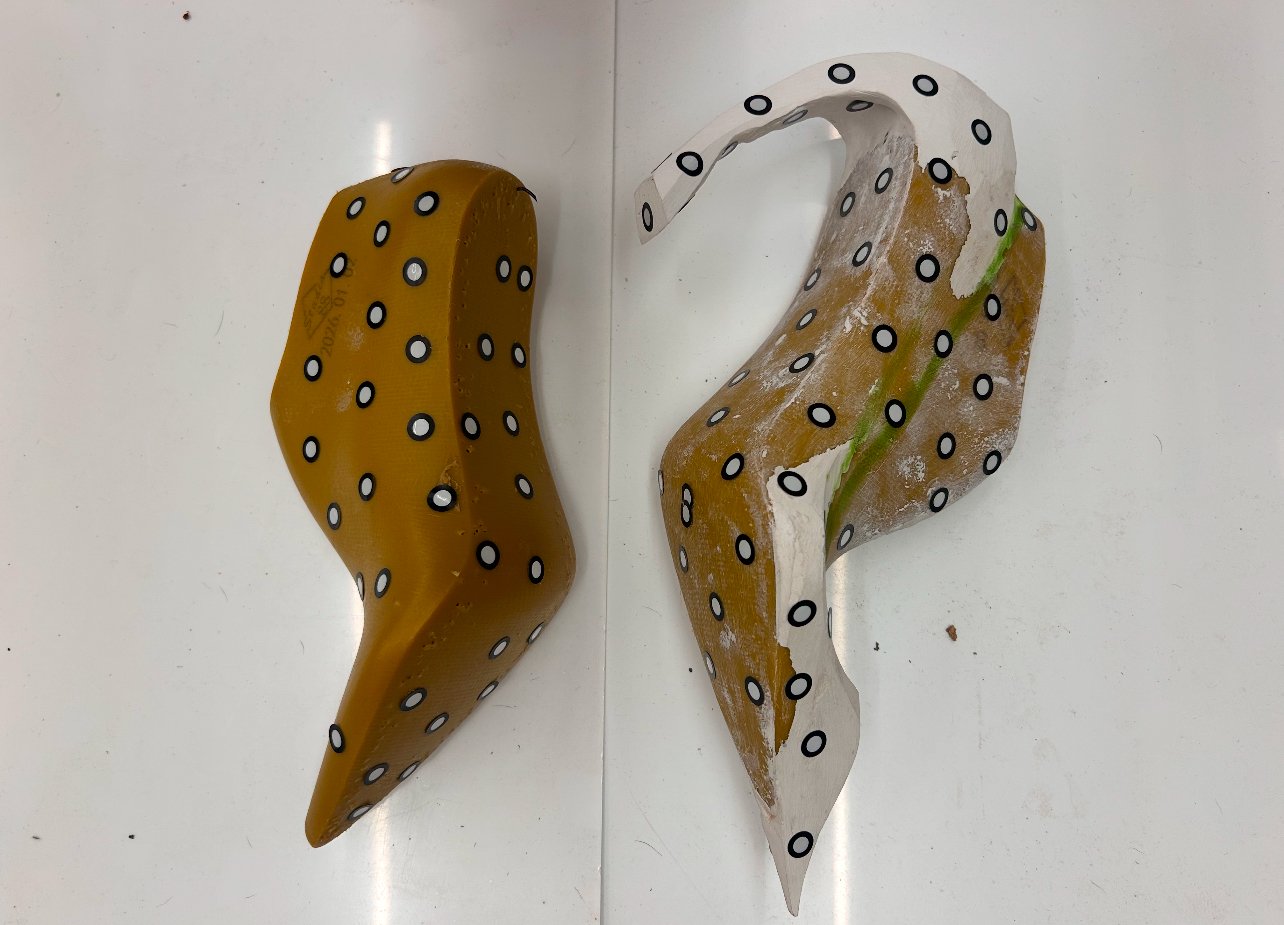
Glass Slippers
Created in collaboration with ISABEL MONKIA MARCHAND
footwear and accessory designer
The collaborations within this collection complete each look. Every collaborator brought their own individual artistry to WONDERLAND, transforming these garments into a fully realized world and proving that some of the most meaningful creations are born through collaboration.
The Moving Roses
Created in collaboration with YAN GAO
jewelry designer